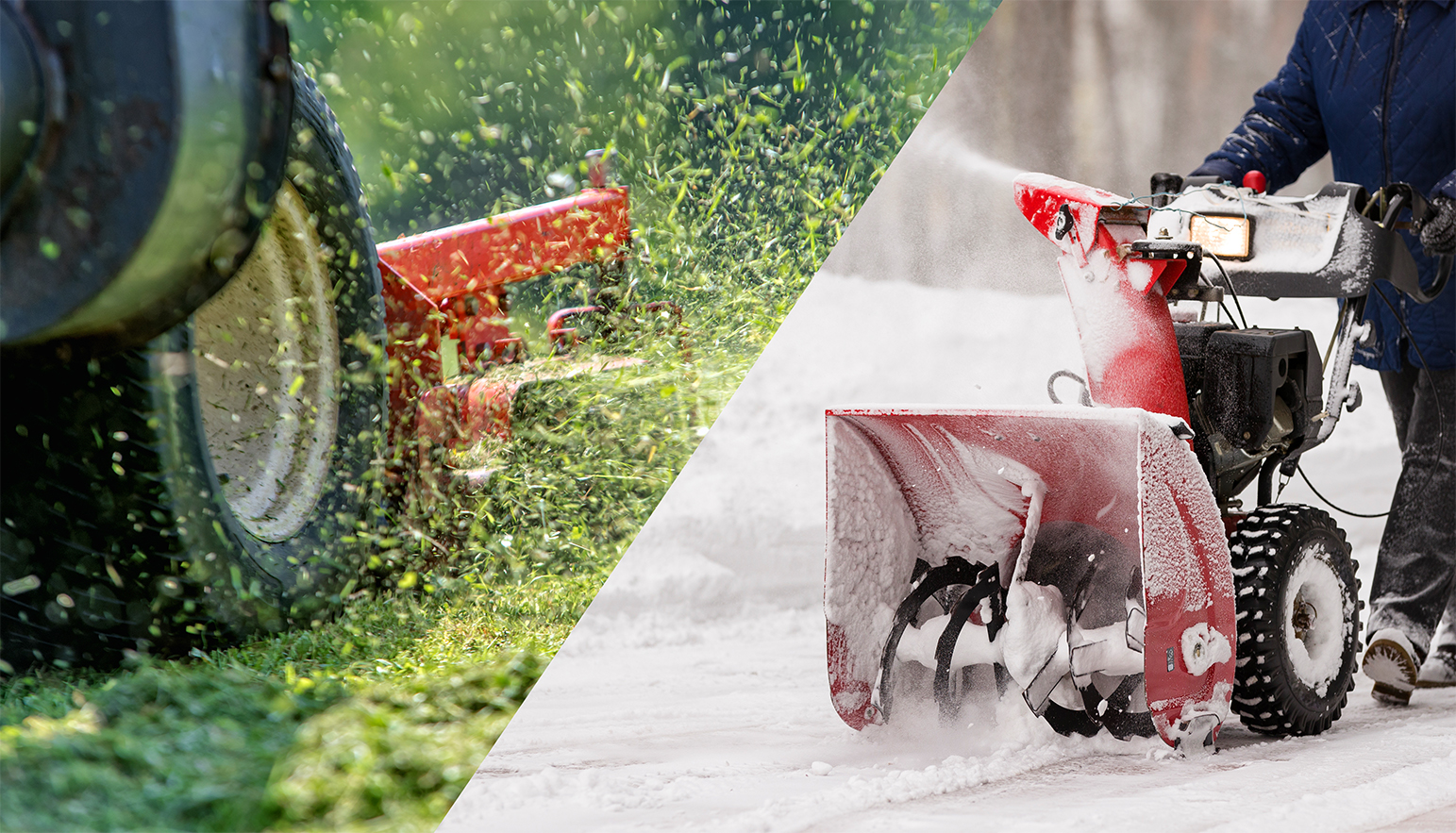



Quick Breakdown
-
Lawn care companies that switch to snow removal should test plows and salt spreaders in September and get trucks servcied in October.
-
Trucks used for both mowing and plowing need front suspension, frame mount, and electrical checks to handle the plow's weight and power draw.
-
Missed service is common during the long snow shifts, so Linxup sends engine hours and fault codes to Fleetio to schedule maintenace automatically.
If your landscaping company mows in the summer and plows snow in the winter, fall brings a unique challenge. Your trucks are likely pulling double duty. The same pickup hauling a mowing trailer needs to be ready for that first snowfall no one can truly predict.
Making sure your gear is ready for anything is the hard part. Your winter equipment needs to be tested and ready weeks before a snowflake appears, all while you’re finishing your final mowing rounds and fall cleanup.
Here’s how to handle both prepping for the first snowfall and winterizing your summer equipment to start the spring off strong — and how to keep maintenance on track across two seasons without more paperwork.
When to start:
-
September: Pull plows and salt spreaders out of storage, inspect for any damage, hook them up, and run them. This is when you find problems that may have crept in over the summer, like a leaking hose or wiring chewed by mice. Order any replacement parts.
-
October: Get every truck and plow fully serviced. If anything needs repair, book it early so you are ready when the first storm hits.
-
Early November: Once mowing wraps up, winterize your mowers and handheld tools immediately. The goal is to finish before the first frost.
-
Adjust for your region: Your start date is heavily dependent on where you are located. Crews in northern or mountainous areas will see snow much earlier than southern states. Shift your schedule accordingly.
Getting your fleet ready for winter
Your trucks, plows, salt spreaders, and skid steers need to be ready to run at a moment's notice. Pull them out to inspect and run them before they need to get to work. A cracked hose or chewed wire is a cheap fix in October but can become a much bigger problem at 3 a.m. in January.
- Batteries: Cold weather cuts battery output significantly. Test cold-cranking amps (CCA) on every truck and heavy machine. Replace any battery showing low voltage before the temperature drops.
- Plow hydraulics & fluid: Inspect hydraulic hoses for cracking, dry rot, or fluid leaks. Change the hydraulic fluid and lift cylinder seals to prevent moisture from freezing inside valves.
- Cutting edges and shoes: Measure the wear on plow cutting edges and replace them before metal-on-metal contact damages the moldboard or plow frame. Check the plow shoes too. Worn shoes let the blade ride too low, which chews up edges faster and can gouge pavement on a client’s lot.
-
Salt spreader drives and chains: Lubricate drive chains, grease bearings, and check spinners for wear or cracks. Then run test cycles on salt spreaders so motors don’t seize up under heavy loads.
-
Trucks switching from mowing to plowing: A truck that pulls double duty needs to be checked before it hits the road in winter conditions with a plow attached. Look at the front suspension and frame mounts, since a plow blade puts substantial weight on the front end. Then check the electrical system. Plow lights, the plow motor, and a spreader all pull power at once, and a charging system that was fine for mowing season may not keep up.
-
Heavier trucks with air brakes: If you use dump trucks with air brakes during the winter, replace the air dryer cartridges to prevent water condensation from freezing up your brake lines in sub-zero temperatures.
Winterizing your summer equipment
Parking your mowers, aerators, and handheld tools in the shed without proper winterizing is a fast track to an expensive spring — here’s how to avoid pesky starting problems and unnecessary repair bills:
-
Clean off all debris and caked grass. Wash down decks, undercarriages and frames. Wet grass clippings trapped under mower decks hold moisture, leading to rust and premature deck rotting.
-
Stabilize or drain the fuel system. Gas with ethanol absorbs water and can start breaking down in as little as 30 days. Add a fuel stabilizer to fresh gas and run the engine for 10 minutes to circulate it through the carburetor. On smaller handheld tools like trimmers and blowers, it’s easiest to drain the fuel system completely.
-
Change the oil and filters. Leaving old oil sitting in an engine all winter can pit and corrode internal metal components. Don’t forget to change the oil and replace all filters (oil, air and fuel).
-
Disconnect and store batteries. Freezing temperatures destroy discharged batteries. Disconnect the terminals, clean off corrosion and store batteries in a temperature-controlled area on a maintainer charger.
-
Log final engine hours. Record exact end-of-season engine hours in your management system so you know precisely when the next service is due come spring.
Keeping track of maintenance across two fleets
Relying on drivers to manually report mileage or flag mechanical issues during snowy 12-hour shifts almost guarantees missed service intervals. That’s why Linxup integrates with Fleetio. Linxup GPS tracking pulls engine hours, mileage, and check engine codes from your vehicles and sends them directly to Fleetio, where your maintenance schedule lives. Replace manual tracking with automatic, real-time data syncs that keep your winter operations running smoothly. Here’s what it covers:
Service hours based on real use
Linxup hardware continuously reads engine run-hours and vehicle mileage, pushing that data straight into Fleetio without anyone touching a keyboard. Instead of relying on calendar estimates, Fleetio triggers preventative maintenance work orders based on real-world usage.
Instant diagnostic trouble code (DTC) alerts
Linxup captures diagnostic fault codes the moment they’re triggered and logs any issues inside Fleetio. Shop managers get instant visibility into whether a truck has a minor sensor glitch or a dangerous transmission overheat, allowing you to fix issues before your driver gets stranded on a commercial route.
Proof you plowed
With Linxup’s live location mapping, you can confirm when a plow truck enters and leaves a client’s parking lot (giving you clear proof of service for billing). You can also spot trucks sitting and idling, which burns fuel you’re paying for.
Frequently Asked Questions
When should I start prepping my plow trucks for winter?
Pull your plows and salt spreaders out in September and test them. Get trucks fully serviced in October, before repair shops fill up with plow installs. Start earlier if your area experiences snow and ice during these months.
How do I winterize my lawn care equipment for winter storage?
Clean off all debris, treat or drain the fuel system, change engine oil and filters, remove batteries to keep them charged indoors and store equipment in a dry, covered location.
How does the Linxup and Fleetio integration help with winter fleet maintenance?
Linxup tracks real-time vehicle diagnostics, engine hours and mileage, syncing this data to Fleetio. This triggers service alerts automatically so you can fix minor issues before things break down on a job.
What are the most common vehicle failures during winter snow removal operations?
Dead batteries from cold temperatures, blown plow hydraulic lines, clogged salt spreader motors, and frozen air brake lines caused by unserviced air dryers are the most frequent causes of winter downtime.
What’s different about prepping a mowing truck for plow duty vs. a dedicated snow fleet?
A truck used for both seasons needs frame and suspension checks to handle heavy plow blades, along with electrical system checks to support the high power draw of auxiliary lights, plows and salt spreaders.