

Quick Breakdown
-
If you get into an accident, safety and medical attention come first; check for injuries, call 911, and document the scene thoroughly.
-
Report every accident, no matter how minor, for company and insurance purposes.
-
Some injuries and issues can surface days later, so get checked out and keep records even if you feel fine at the scene.
The moments right after any vehicular accident are generally chaotic, but they don’t have to be a complete nonsensical mess. Having a set plan in place protects drivers both in the moment and later on when insurance calls start coming in.
It’s likely there are some unique challenges to managing each accident depending on the nature of your business (company vehicles hauling harsh chemical agents have more protocols on how to handle cleanup than a lawn crew, for example), but no matter what’s in the truck bed, these seven steps cover what every commercial driver needs to do.
1. Get off the road, check for injuries, call 911
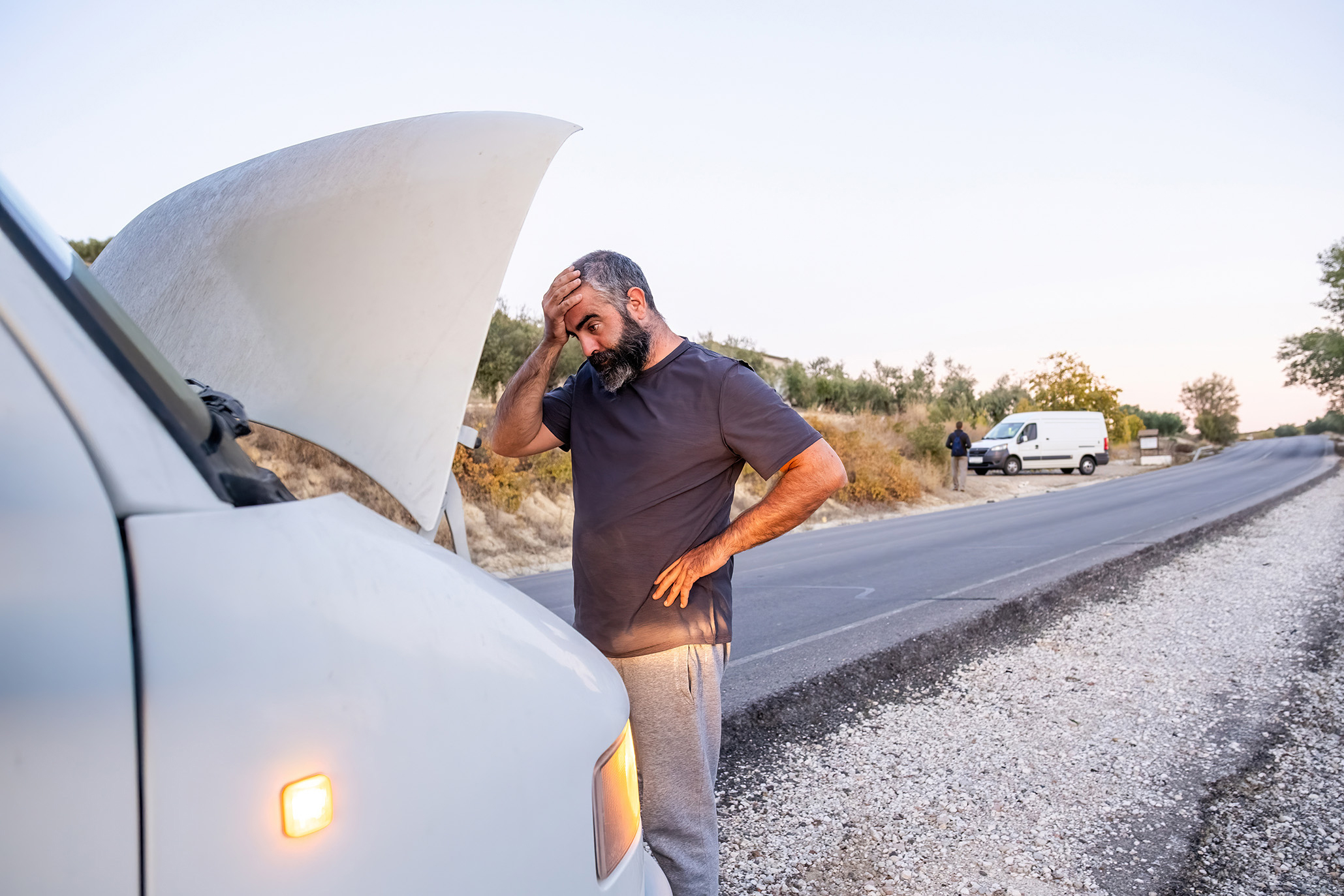
Safety comes first in the immediate aftermath of an accident. Switch on your hazard lights and (if possible) carefully move your vehicle out of the roadway. Once your vehicle is secure, check for injuries. If anyone needs medical attention, call 911 right away.
In those first few minutes after an accident, you may not have time to take note of every detail — that’s where a dash cam recording can help fill in the gaps later.
2. Contact emergency services
It’s important to contact local law enforcement, even if the accident feels like a minor incident. A police report gives an official record that your company and insurers may rely on later.
Not every state legally requires a police report for a fender bender with no injuries, but most company policies do. Insurance carriers will want a report on file to process any claims.
Injuries also can show up hours or days later, depending on the accident and severity. Having documentation from the scene with a police report can be helpful if this happens.
When contacting emergency services, give your location as precisely as possible using mile markers, exits, or GPS coordinates, and stay calm when explaining the situation.
3. Notify your company
After confirming emergency services are on the way, call your dispatcher, fleet manager, fleet manager, or safety department to report the accident. Be ready to share the time, location, vehicles involved, and whether anyone was hurt. Most companies have specific steps for drivers to follow as outlined in their safety program — and simply following the company’s accident procedures to the letter can protect you and the company.
If your vehicle is equipped with a device that flags accidents automatically or uploads incident clips, your safety team may already know something happened by the time you call.
4. Document everything at the scene
Once the scene is stable, start documenting as much information as you can. This is crucial, so take your time.
Photograph all vehicles involved from multiple angles, including license plates and any visible damage. Get shots of the road surface, skid marks, traffic signs, posted speed limits, and weather conditions. Collect names and phone numbers from other drivers and ask witnesses if they’re willing to provide their information too. Make sure to get insurance details from every driver involved. Don’t forget to write down the names and badge numbers of any responding officers.
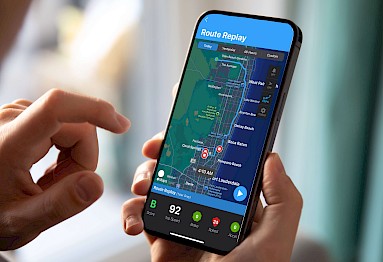
If your fleet runs GPS tracking or has dash cams installed, that data is doing some of this work in the background already by tracking location, speed, and video from before and after the incident. Your own notes and photos are still important, and combined with telematics data, you get a more complete picture of what actually happened.
5. Report facts, not speculation (i.e. don’t admit fault)
When law enforcement arrives, remain calm and professional. Provide your driver’s license, CDL, vehicle registration, and insurance as requested. Answer questions clearly and honestly, and ask how to get a copy of the police report for your records before leaving the scene.
When discussing the incident, stick to the facts. Avoid speculating about what caused the accident, and avoid apologizing, even in passing. Dash cam footage can help reduce pressure here by providing an objective record of events so you’re not trying to rely on memory with adrenaline still racing through your system. Fault will be determined later by investigators and insurance adjusters, not by you at the scene.
6. Seek medical attention
If anything feels off after the accident, it’s best to get checked out. Watch for stiffness, headaches, dizziness, or numbness in the days that follow since these can be common signs of injuries like whiplash, soft tissue damage, or a concussion and often don’t show up right away.
If you do see a doctor, be sure to mention the injury is work-related. This is needed for workers’ comp and creates a paper trail that connects your treatment directly to the accident.
Keep copies of everything, including visit summaries, medical reports with diagnosis notes, and any prescribed work restrictions. Submit copies of these documents to your manager or safety department as they become available to avoid having to track them down later.
7. Complete paperwork, then follow up
Most companies require an internal accident report. Provide as much detail as possible, and include supporting materials like photos, witness statements, and dash cam footage if you have it.
Stay in contact with your company about insurance claims, vehicle repairs, and especially any return-to-duty requirements. If the truck needs to go in the shop, let your dispatcher or manager know so they can make arrangements.
Some fleets also require a written statement or a review of accident footage afterward with a supervisor. This not only helps get an understanding of what happened, but also ways to improve safety going forward.
It’s normal to be shaken up after an accident; by following these steps, commercial drivers can protect themselves while meeting all necessary safety and reporting requirements.
Quick Checklist for Drivers
-
Move to safety, check for injuries, call 911
-
Contact emergency services and law enforcement
-
Notify your company and follow accident protocols
-
Document everything with notes, photos, and witness info
-
Report only facts, not speculation
-
Seek medical attention even if injuries seem minor
-
Complete paperwork and follow up with your company
FAQ
What is the first thing a commercial driver should do after a fleet accident?
Get to safety, turn on your hazards, and move out of traffic if you can. Check yourself and anyone else involved for injuries, and call 911 if anyone needs medical help. Notifying your company and documenting the scene comes secondary to safety.
Do I need to report a minor fleet accident?
Yes, it’s always a good idea to report an accident and may be required in your company policy. Your insurer may also need an official police report on file to process a claim. Reporting every incident, no matter how small it seems, also protects you if the other party changes their story later.
What information should I collect at the accident scene?
Take photos of all the vehicles involved, the road surface, traffic signals, weather conditions, and any other details that seem relevant to the accident. Get contact and insurance information from every driver involved, and contact details from any witnesses willing to provide details. If your truck has a dash cam or GPS tracker, that data can support what you collect at the scene.
Should I admit fault at the scene of an accident?
No. Stick to the facts when speaking to law enforcement or other drivers. Do not speculate what happened or apologize either. Fault gets determined by investigators and insurance adjustors afterward, not directly following impact.
How do GPS data and dash cam footage help after an accident?
GPS data and dash cam footage can fill in details leading up to an accident. They provide exact location, speed and video before and after an incident. This objective information works to support your notes and photos, especially when it comes to insurance claims.