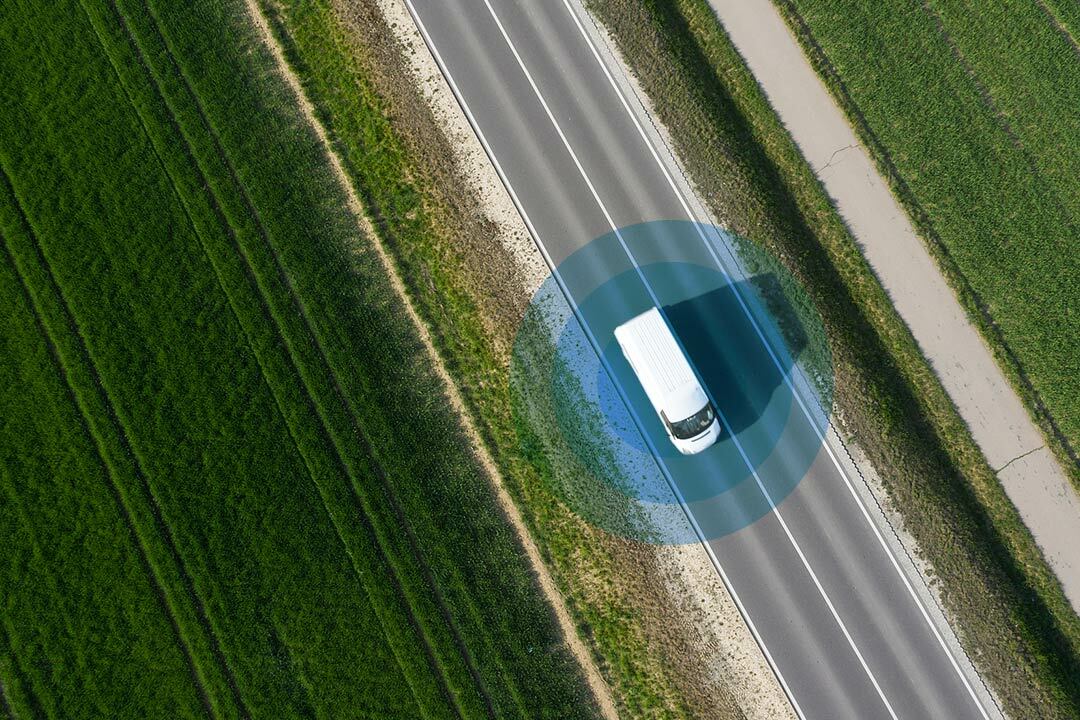


The use of IoT in fleet management is changing how vehicles are tracked and managed. Sensors, GPS, and smart devices all talk to each other in real time, working together like a well-coordinated crew that always knows what to fix and where to go — after all, smart tools make every job easier.
And the industry is growing rapidly. The global IoT fleet management market was valued at $7 billion in 2023 and is expected to exceed $20 billion by 2030, growing at an impressive rate of 17% each year. This growth isn’t just about new tech — it reflects how you can benefit from IoT fleet management.
If you use IoT-powered fleet management software, you can not only save fuel but also cut downtime, improve safety, and keep your trucks on schedule. Learn more about how IoT fleet management works, plus its key components and benefits.
What is IoT fleet management?
IoT fleet management allows you to use internet-connected devices to monitor and control your vehicles in real time.
These IoT solutions for fleet management include sensors, GPS trackers, and software that collect data on location, speed, fuel use, and vehicle health. With this information, you can make faster, smarter decisions to improve safety and fleet efficiency.
Traditional fleet management historically relied heavily on phone calls, manual logs, and delayed reports. A modern IoT-enabled fleet tracking system, on the other hand, provides full field visibility and automated alerts.
Instead of waiting for drivers to report an issue, you can proactively monitor your fleet and fix issues before they turn into a costly problem.

How IoT fleet management works
An IoT fleet management system connects vehicles, devices, and software to create a single smart network. This is like a nervous system for your fleet — sensors act as the nerves sending signals, while the software is the brain that interprets and responds instantly.
Every truck or car in the fleet has sensors and GPS trackers that constantly send data — like location, speed, and fuel levels — to the cloud. The system processes this data and turns it into useful insights.
Here’s what happens behind the scenes:
- Data collection: Sensors and GPS devices in each vehicle gather information in real time.
- Data transfer: This data is sent to a central platform using the internet or mobile networks.
- Data analysis: The platform uses software to detect patterns, predict maintenance needs, and flag issues.
- Action and alerts: You receive automatic updates and can take quick action, such as rerouting a vehicle or scheduling a repair.
In short, IoT brings your entire fleet online, helping you move from guesswork to informed, real-time decision-making.

Key components of IoT fleet management
An IoT fleet management system works through several connected tools that gather and share real-time data. This means you get to know about incidents as and when they happen. Let's take a quick look at the main components.
Telematics devices and sensors
Telematics devices and sensors are the eyes and ears of your fleet. They record information like engine health, fuel usage, tire pressure, and driver behavior. This data from telematics systems helps you catch problems early, plan maintenance, and improve performance, without relying on manual reports.
GPS tracking
The best fleet GPS tracking system does more than show dots on a map. It gives real-time location updates, monitors the routes you take, and helps your drivers avoid traffic or unsafe driving patterns. GPS tracking helps keep every vehicle on course and every tech on schedule, so every customer is taken care of. Happy customers are the best customers!
Fleet management software
This is where everything comes together. Your fleet management software pulls data from sources like sensors, GPS fleet and tool tracking, dash cams, and fleet management devices into one view so you don't have to dig through the details. You can see what's working, what's costing you, and where you can make improvements — and do it all faster.

Mobile apps for drivers
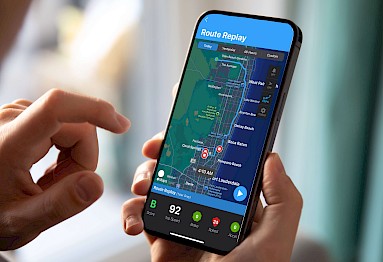
For drivers, mobile apps make communication easy and instant. They can view routes, get alerts, log trips, and report issues. And the best part is they can do all of this while they're on the road. These apps also help drivers stay connected to dispatchers and managers, improving coordination and reducing delays.
Benefits of IoT fleet management
Putting IoT fleet management to work for your business means you can run smoother, safer, and smarter operations. When vehicles, drivers, and routes are all connected, you can spot issues early and act faster. And this eventually leads to more savings, better efficiency, and happier teams.
Here are a few benefits of implementing IoT fleet management:
- Improved safety: With in-cab cameras and data, you can coach drivers using real facts instead of guesswork, reviewing the “game tape” together to prevent accidents and build trust.
- Data-driven decisions: See detailed reports and live data in a way that makes sense, like using real-time GPS data to reroute vehicles instantly based on live traffic, accidents, or weather.
- Cost savings: Predictive maintenance and fuel monitoring cut unnecessary expenses and prevent costly breakdowns.
- Regulatory compliance: Automated logs and digital records make it way easier to stick to transportation and safety rules without worrying too much about the paperwork.
- Enhanced operational efficiency: Automated tracking and route optimization help your fleets move faster, reduce idle time, and maintain tight schedules.
Implement IoT fleet management with Linxup
IoT connects every part of fleet operations, creating a system that’s efficient, safe, and easy to manage. When powered by the right platform, these tools work together to deliver real-time insights and better control.
Linxup makes it simple to put IoT fleet management into action. With our fleet management software, you can connect vehicles, drivers, and data through real-time GPS tracking, telematics insights, and automatic alerts. All these features are built to improve safety, boost productivity, and lower operation costs.
Whether you manage a few vehicles or a large fleet, Linxup gives you the visibility and control to stay efficient and informed. Book a free demo to see how Linxup can make fleet management simpler and more effective for you.
IoT fleet management FAQ
Here are some quick answers to common questions to help you understand how IoT technology supports modern fleets of all sizes.
What types of data do IoT devices in fleet management collect?
IoT devices gather real-time data such as vehicle location, speed, fuel levels, engine health, and driver behavior. This information helps you monitor performance, plan maintenance, and make informed decisions to improve overall efficiency.
How does an IoT system help keep my drivers and vehicles secure?
An IoT system enhances safety by sending instant alerts for risky driving, route changes, or mechanical issues. It helps you locate vehicles quickly in case of theft or emergencies, keeping both drivers and assets protected at all times.
My fleet is small and varied. Can an IoT solution scale to meet my specific needs?
Yes, IoT fleet management systems are flexible and can be tailored to fit fleets of any size or mix. Whether you operate a few vans or a nationwide network of trucks, the system can grow with your business and adapt as your needs change.