Equipment Tracking
Easy, Reliable Tracking
for Critical Assets
Linxup asset tracking lets businesses monitor the location of equipment and trailers
with battery powered, hardwired, and solar trackers.

Visibility for All Your Equipment
Ensure 360-degree visibility of your entire operation by tracking the assets that complement your fleet. Know where your trailers, heavy equipment, non-powered equipment, and tools are and how they’re being used so that you can maximize the efficiency of your entire operation.
- Know exactly what you have deployed to which job site with weatherproof/ruggedized devices.
- Usage & utilization for job costing, rent/buy/sell decisions, and equipment allocation.
- Theft prevention and recovery (over $1B of equipment gets stolen every year).
- Preventative maintenance based on time, mileage, or usage.
- Avoid renting new equipment while existing assets sit unused on a job site.
Tracking Flexibility for Any Business
Prevent costly theft, misuse, and receive updates on scheduled maintenance to protect your critical equipment.
- Depth and versatility with wired, battery-powered, solar, and tag options to keep track of all the trailers, equipment, and tools required to run your business.
- No GPS found? Automatic fallback to cellular-based approximate location capabilities* (select devices).
- More than just visibility: monitor PTO and sensors, view location every minute when in operation and every 10 or 20 mins when being towed without power, understand usage on equipment for maintenance and mileage on trailers for tire wear & tear (wired unit only).

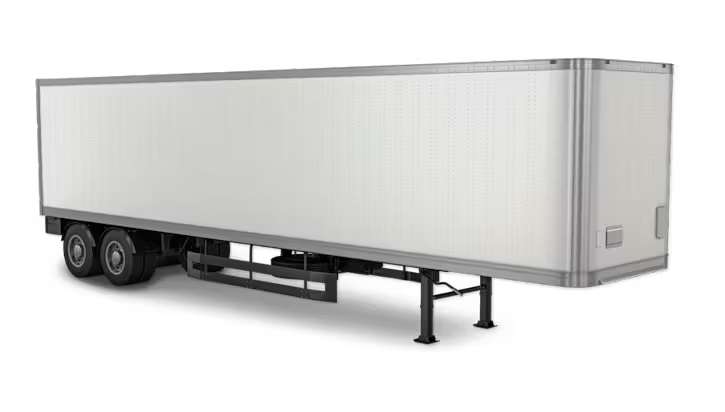
Track Trailers and Shipping Containers
The mobile nature of trailers and containers makes them high-priority targets for thieves. Equip yours with an affordable, simple solution that delivers the ultimate in peace of mind and the clarity of precise location tracking. In-transit route monitoring, alerts, and reports keep you informed about where your trailers and containers are at all times.
- Live updates for location and continuous in-transit visibility.
- Interactive route replay, including visual indicators for trailer stops and other alerts.
- Geofence alerts if a trailer or container moves outside specified geographic areas.
- Alerts for suspicious behavior and unauthorized trailer use.
A Variety of Equipment, One GPS Solution
Linxup has a GPS tracker to fit whatever you want to protect, regardless of size or configuration. Here are just a few more examples of assets and equipment that we can help you monitor in real-time from your mobile device.
-
Heavy equipment
Make sure the right heavy equipment and tools go to your construction sites and stay on-site. -
Light Equipment
Track jackhammers, forklifts, plows, and power washers to give your light equipment collection GPS coverage protection. -
Power equipment
Add Tool Trackers to your power tools, chainsaws, and all types of handheld equipment. -
Trailers and Containers
Know where your cargo is and when it gets there. Track shipping containers, modal units, flatbeds, and more. -
Farm equipment
Keep tabs on your farm's most important equipment by tracking tractors, combines, sprayers, and much more. -
Towables and Leave-Behinds
Easy tracking for towed assets that can hitch on to different vehicles across different locations.
Equipment Maintenance Tracking
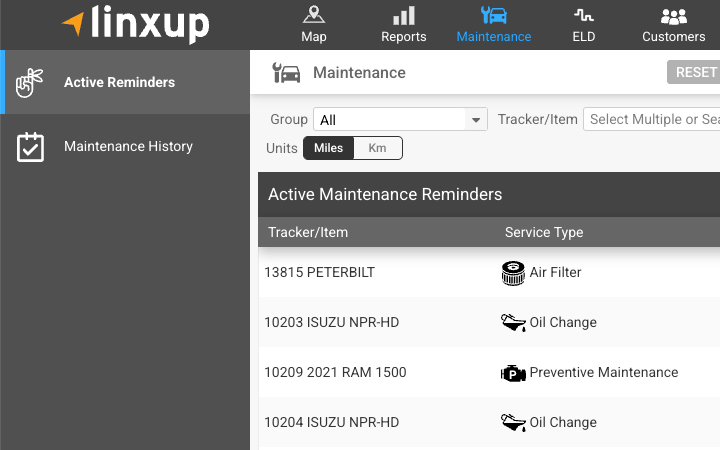
With Linxup, you can keep track of all of your maintenance activity and recurring events in one place, regardless of whether they are tracked or not. Add time-based reminders for all maintenance events, license renewals, training, and more without needing to use multiple programs and calendars.
Flexible Tracking
Easily add tracked or untracked items within the maintenance module, which then appear in the selection list with tracked vehicles/assets.
Helpful Reminders
Create recurring, time-based reminders or one-time maintenance events for anything that requires service or attention.
Keep Up with All the Details
Add notes and track history on all equipment, warranties, certifications, licenses, etc.
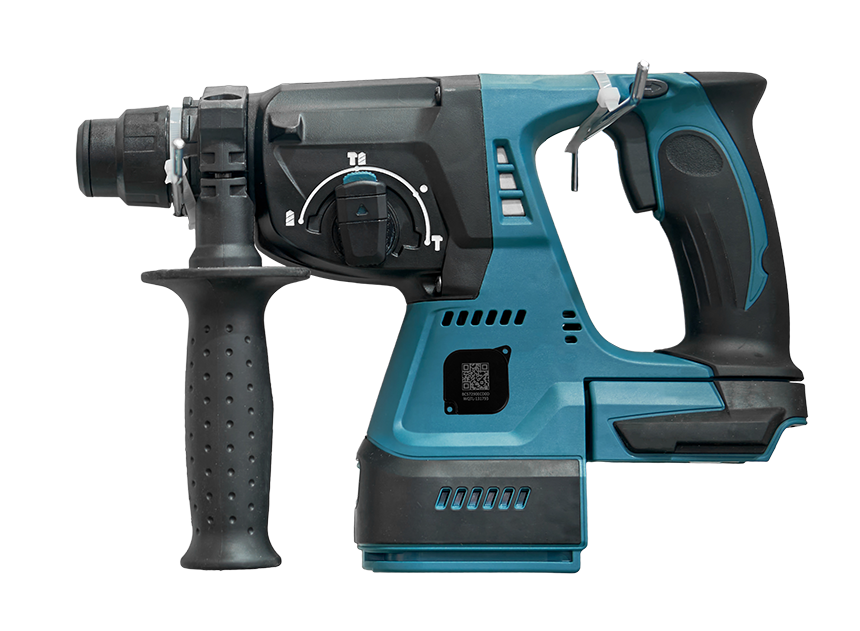
Need to Track Small Equipment and Tools?
Specifications for the Linxup AT3 Asset GPS Tracker
| DIMENSIONS: | 2.4" x 1.8" x .07" |
|---|---|
| WEIGHT: | 4 ounces |
| CASE MATERIAL: | IP66 weather proof casing |
| BATTERY: | Rechargeable (wiring harness additional) |
| LIFESPAN: | 3 months between charges |
| OPERATING TEMPS: | -22°F to +167°F / (-30°C to +75°C) |
| DATA NETWORK: | 4G cellular |
| PINGS: | Every minute while in operation. Every 20 mins when moving, but not in operation. Once a day when on battery and not in motion. |
30,000+ Customers. Rave Reviews.
See what our customers are saying about the peace of mind and helpful service they receive from Linxup.
“We have been using Linxup for many years and had just recently been talked into trying a different service from our FSM, which we tried for a month, but it just did not have the ease of use and clearly defined trip layout that Linxup has, needless to say, so we dropped the other service.”
Paul T
SVP of Sales, Raynor Kauai Overhead Door Company“Great product. Always works. Easy to install. I have been using this to track my work vehicles for years.”
Dennis L
Verified Buyer“Amia was great to work with. Could not have asked for a better onboarding specialist. She worked around our crazy schedule here, and we were able to get everything done in a timely manner.”
Diacono S
Verified Buyer“Tried tracking on one local unit, and the feedback has already shown me where I can be more efficient. Great product.”
Patrick D
Verified Buyer“Have purchased multiple devices over a two-year span. Great Fleet management tool.”
Win R
Verified Buyer“I was in the market for a GPS system and discovered Linxup. After speaking with a representative, I closed the deal, and they shipped the trackers. The experience couldn't have been easier. Once I plugged the trackers into the vehicles, I was instantly able to track all four vehicles on a map.”
Rod E
Verified BuyerFrequently Asked Questions about Equipment Tracking
These are the questions we hear most often when talking to customers about equipment or asset tracking.
Equipment tracking is the practice of monitoring the location, status, and usage of physical assets — tools, machinery, trailers, and vehicles — using GPS devices, Bluetooth tags, or cellular technology. Unlike fleet tracking, which focuses on powered vehicles, equipment tracking extends visibility to unpowered or non-vehicular assets that move between job sites.
Key capabilities typically include:
- Real-time or interval-based location updates
- Geofence alerts when an asset leaves a designated area
- Usage and engine-hour data for powered equipment
- Inventory management for small tools via Bluetooth tags
Businesses in field service, construction, landscaping, and utilities use equipment tracking to reduce theft, prevent loss, and improve asset utilization across distributed operations. Linxup offers GPS equipment tracking alongside fleet tracking, giving businesses a single platform to manage both vehicles and assets.
Construction equipment theft is a significant and persistent problem in the U.S. The National Insurance Crime Bureau (NICB) estimates that losses from construction and farm equipment theft range from $300 million to $1 billion annually. More than 11,000 incidents are reported each year — roughly 1,000 per month — and only about 20–21% of stolen equipment is ever recovered.
The financial impact extends well beyond the replacement cost of the asset:
- Project delays when a critical machine is missing
- Rental costs to replace stolen equipment on short notice
- Insurance premiums increase as insurers view sites with frequent claims as higher risk.
- Administrative burden of filing police reports, insurance claims, and sourcing replacements
Theft concentrates during predictable periods — especially long weekends and holidays — when job sites are quiet, and oversight is limited. Most thefts occur after hours, making real-time alerts and geofencing a critical first line of defense.
GPS and Bluetooth tracking technology can be applied to a wide range of asset types, broadly grouped into two categories:
Powered assets (tracked via hardwired or OBD GPS devices):
- Trucks, vans, and service vehicles
- Heavy equipment (excavators, backhoes, skid steers, lifts)
- Generators, compressors, and powered trailers
Unpowered assets (tracked via battery-powered GPS or Bluetooth tags):
- Utility trailers and flatbeds
- Small tools and handheld equipment
- Portable equipment cages and job boxes
- Medical or specialty equipment (e.g., in field service or emergency fleets)
The right technology depends on the asset type. Powered equipment typically supports real-time GPS with engine-hour tracking. Unpowered or small assets are better suited to long-life battery GPS trackers or Bluetooth tags that register location when in range of a connected device. Linxup offers both GPS vehicle trackers and Bluetooth asset tags, allowing businesses to track mixed fleets and equipment inventories from a single platform.
Recovery rates for stolen equipment differ dramatically depending on whether a GPS device was installed. For heavy equipment without GPS, the recovery rate is approximately 21% according to NICB data — fewer than 1 in 5 stolen pieces of heavy equipment are ever recovered. For tools and small equipment, the recovery rate drops below 7%.
GPS tracking improves recovery outcomes in several ways:
- Law enforcement can be dispatched to the asset's last known location immediately after an alert fires.
- Geofence alerts notify owners the moment equipment moves outside an authorized area — often while the theft is still in progress.
- Location history provides documented evidence for police reports and insurance claims.
- The NICB emphasizes the importance of detailed asset records, including serial numbers and GPS location data, which tracking systems automate.
For maximum protection, combine GPS tracking with documented equipment records — serial numbers, photos, and purchase records — which are also required to file a complete NICB report.
Potentially yes, though results vary by insurer, state, and policy type. GPS tracking is recognized by many commercial insurers as a risk-reduction measure that can qualify fleets for premium discounts.
- The NICB officially recommends aftermarket GPS tracking as one of the most effective anti-theft technologies for vehicle owners and fleet operators.
- Many commercial insurers offer discounts for GPS-tracked equipment and fleets; the range reported in trade press is typically 5–15%, though some carriers and states mandate higher discounts (you should verify with your specific insurer).
- GPS data also supports faster claims resolution by providing objective location records in the event of theft, damage, or a disputed incident.
Important caveat: Insurance discount availability and magnitude vary significantly by carrier, equipment type, and state. Contact your commercial insurer directly to ask whether GPS tracking qualifies for a premium reduction under your specific policy.
A geofence is a virtual boundary drawn around a physical location — a job site, a yard, a storage facility. When a tracked asset crosses that boundary without authorization, the system sends an immediate alert to the owner or fleet manager.
For equipment tracking, geofencing provides:
- Theft detection — alerts when equipment moves after hours or on weekends, often before a theft is even reported
- Unauthorized use prevention — notifies managers if equipment is moved to an unscheduled location during business hours
- Job site containment — confirms equipment is where it should be across multiple active sites
- Recovery support — time-stamped boundary crossing events document when and where an asset was last seen
Geofences can be set to any shape or size and can be configured with custom alert schedules — for example, triggering alerts only outside business hours to reduce noise during normal operations. Linxup's platform supports geofencing for both vehicles and tracked equipment.
Beyond theft prevention, equipment tracking provides data that directly informs purchasing, rental, and deployment decisions.
U.S. construction equipment utilization rates typically range from 50% to 60%, meaning nearly half the time, expensive assets are sitting idle while still incurring depreciation, insurance, and maintenance costs. Without visibility into where equipment is and how often it's being used, businesses often rent equipment they already own or purchase additional assets they don't need.
GPS and telematics data enables:
- Utilization reporting — identify underused assets available for redeployment before renting
- Engine-hour tracking — schedule preventive maintenance based on actual use, not calendar dates
- Idle time monitoring — reduce unnecessary fuel consumption and engine wear
- Fleet right-sizing — use historical usage data to make evidence-based decisions about what to own versus rent
Fleet tracking and equipment tracking share the same underlying technology — GPS and cellular connectivity — but they are optimized for different asset types and use cases.
Many field service businesses need both. A plumbing company, for example, might use fleet tracking on its service vans and equipment tracking on trailers, pipe threading machines, and job-site generators. Linxup supports both use cases on a single platform. |
The right solution depends on your asset types, the size of your operation, and how you plan to use the data. Key factors to evaluate:
- Asset compatibility — Does the system support both powered and unpowered assets? Does it offer Bluetooth tags for small tools?
- Battery life — For battery-powered GPS trackers on unpowered assets, longer battery life reduces maintenance burden. Solar options exist for assets with outdoor exposure.
- Update frequency — How often does the device report location? Real-time vs. interval-based tracking affects both coverage and battery consumption.
- Alerts and geofencing — Can you configure alerts by time of day, asset type, or geographic zone?
- Platform integration — Does equipment tracking data live in the same platform as your fleet tracking data, or does it require a separate system?
- Reporting — Can you generate utilization, location history, and engine-hour reports for maintenance planning and insurance documentation?
For businesses with mixed fleets — vehicles plus trailers, tools, and heavy equipment — a unified platform reduces administrative overhead and improves visibility across all asset types.
Depending on your industry, equipment tracking can provide documentation that supports regulatory and contractual compliance requirements.
Relevant use cases include:
- OSHA recordkeeping — Location and usage records can support documentation of equipment inspection and maintenance history, which OSHA may require under its general duty to maintain safe working conditions (see OSHA 29 CFR 1926 for construction-specific requirements).
- Government fleet audits — Public agencies operating equipment fleets may be required to document asset location history, usage, and maintenance — all data that GPS tracking automates.
- Insurance claims — Location timestamps and geofence event logs provide objective evidence in the event of a theft claim, damage dispute, or liability investigation.
- IRS and depreciation records — Accurate engine-hour and mileage data supports asset depreciation schedules and can simplify tax documentation for equipment-intensive businesses.
Still have questions?
We're here to help you!