Rear View Cameras
See what's behind every vehicle
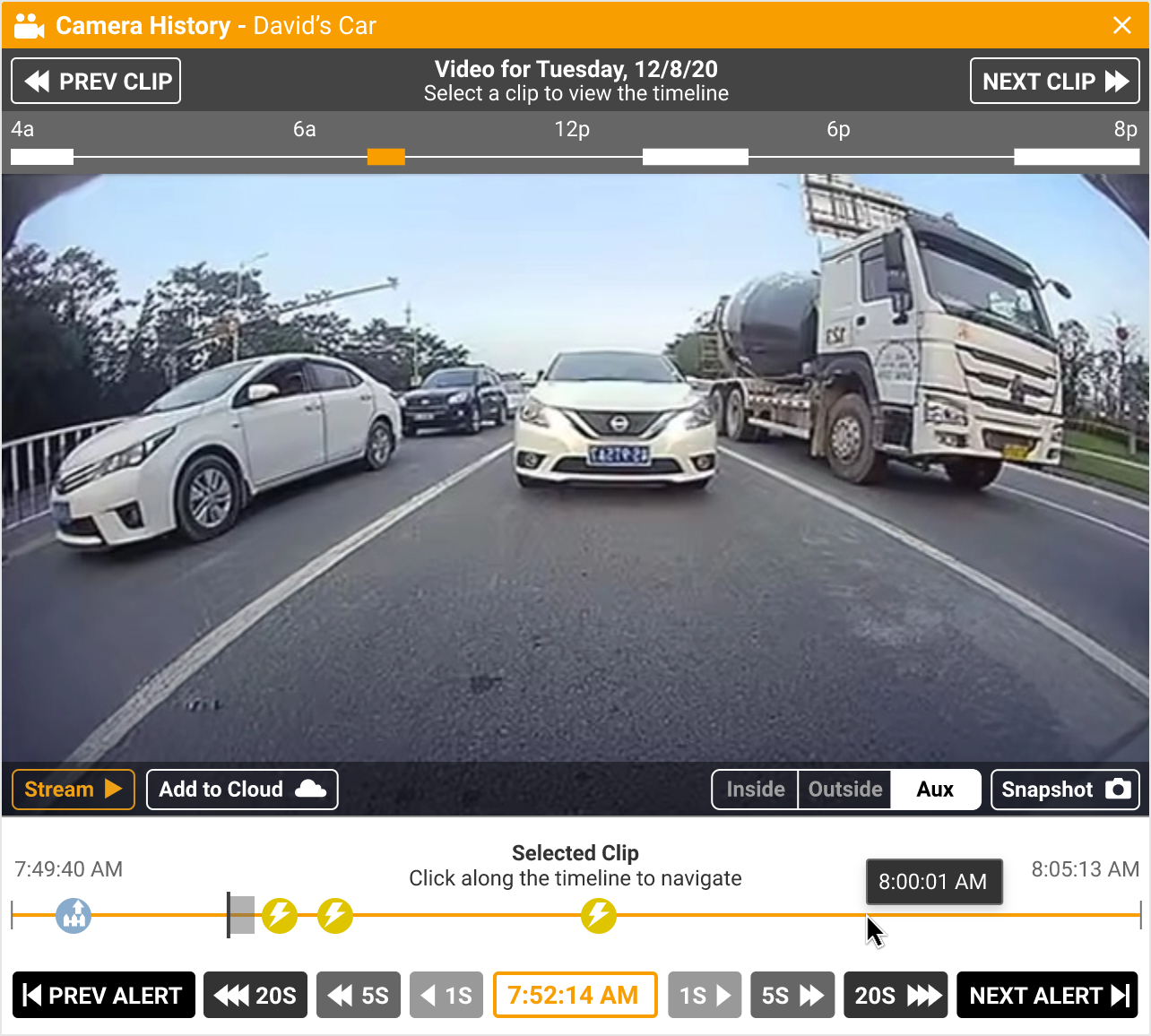
LinxCam Rear Vision adds rugged rear-view cameras to LinxCam — closing the blind spot that costs fleets claims, time, and customer trust.
The story doesn't end at the windshield.
In-cab and forward-facing dashcams capture what's ahead — but they leave the back of the vehicle exposed. That's where rear-end collisions happen, where damage claims start, and where proof of service is needed most. That's where rear-view cameras for trucks and vans, like Linxcam's Rear Vision, can help.
Rear-end collisions account for roughly 29% of police-reported crashes (NHTSA), and so-called "nuclear verdicts" against fleets have climbed 967% between 2010 and 2018 (ATRI). When fleets can't see what happened behind the vehicle, they can't defend it.
The numbers behind the blind spot.
The numbers just add up to why your business should add LinxCam Rear Vision.
Police-reported crashes are rear-end collisions.
~29%
Source: NHTSA
Increase in average nuclear verdict size from 2010 to 2018.
967%
Source: ATRI, 2020
Workers killed annually by vehicle backover incidents in the U.S.
70+
Source: BLS/OSHA
"It's helping with my product security and my overhead. I'm able to dial in on what is going on with what truck and address it from there — whether that's dealing with product off the back of the truck getting damaged, or workers' comp claims. Being able to watch and see what's going on with my vehicles allows me to get better insight."
William Fisher
Logistics Manager, Shore Appliance Connection
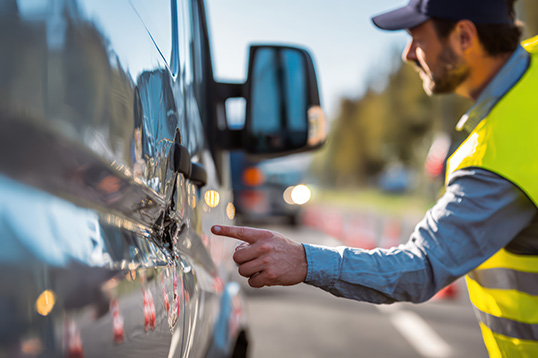
Defend claims. Document service. Reduce disputes.
- Liability Protection & Exoneration: Capture rear-end collisions. Defend drivers against false damage claims. Walk into insurance conversations with evidence.
- Operational Visibility: See backing incidents, loading and unloading activity, and asset or package handling from the rear of every vehicle.
- Proof of Service Documentation: Document tows, pickups, drop-offs, and deliveries with clear visual evidence — reducing customer disputes.
LinxCam Rear Vision Extends LinxCam
LinxCam Rear Vision isn't a separate platform. It's an extension of our forward- and driver-facing LinxCam.
Hardwires to LinxCam
Each rear-facing camera connects directly to the LinxCam via a cable — using the third video channel that's already on the device. No Bluetooth or Wi-Fi connectivity is required.
Same Linxup portal
Footage shows up in the same Linxup portal your team already uses. No new logins. No new training. No separate UI to learn.
Unified storage
LinxCam Rear Vision video uses the LinxCam's existing storage. No separate SD cards to manage. No extra storage upgrade required.
Live stream + three-channel cloud playback
Stream the rear channel in real time, request custom clips on demand, and review forward, in-cab, and rear footage together from the cloud for complete event context.
Pick the Camera That Fits Your Needs
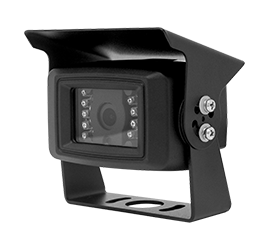
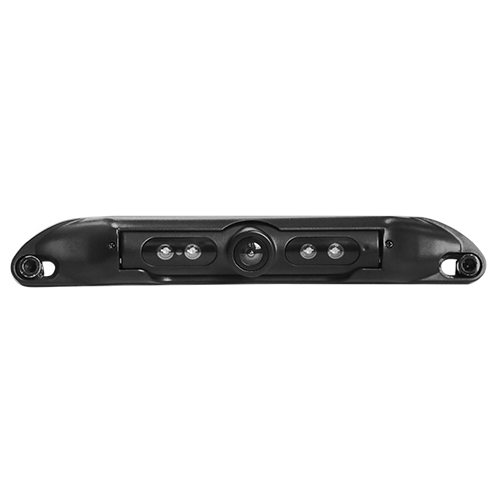
Whether you need the rugged box camera for tough rear mounts or the slimline camera for clean long-haul installs, both work the same way with your LinxCam.
LinxCam Rear Vision
Best for: Proof of service, asset monitoring, and rear-end collision visibility across towing, waste management, delivery, and transportation fleets.
- IP69K ruggedized for weather and impact
- 120° wide-angle viewing
- Infrared LEDs for day and night footage
- Adjustable sun visor
LinxCam Rear Vision Slimline
Best for: Rear-end collision and exterior visibility for fleets focused on exoneration. Companies looking for a sleek design and clean install.
- IP69K ruggedized for weather and impact
- 150° wide-angle viewing
- Infrared lights for night use
- License-plate-mountable form factor
Where rear visibility changes the bottom line.
Towing
Vehicle handling, repo damage disputes, and proof-of-service documentation are core to the business — and they all happen behind the truck. Rear footage clears up disputes before they become claims.
Waste Management & Recycling
Verify pickups happened as scheduled. Document how material was handled. Answer customer complaints with footage, not assumptions.
Delivery & Last Mile
Document the package's condition before drop-off. Reduce damage-claim disputes. Give dispatch and drivers a visual record from the moment cargo leaves the truck. Ensure your team is handling deliveries with care.
Transportation
Defend against false rear-end collision claims. Protect drivers and lower your exposure to costly verdicts.
Frequently Asked Questions about LinxCam Rear Vision
Rear Vision cameras must be paired with a LinxCam — they plug directly into the LinxCam. At a minimum, you'll need vehicle tracking + LinxCam + Rear Vision service lines and hardware.
No. Rear Vision uses the LinxCam's existing storage. SD card upgrades are still available if you want additional drivetime storage capacity.
Typical mounting locations include the mechanical arm of a garbage truck, above the rear license plate, underneath the rear bumper, or on the back of a trailer. Other mounting locations may also work, provided the camera cable can be routed back to the device.
Yes — for videos stored in the cloud, all three streams are viewable simultaneously. Real-time live-streaming is per channel.
HD comes with added storage requirements and costs. The lower resolution we use is sufficient to solve the use cases the product is built for — rear visibility, exoneration, and proof of service — while preserving LinxCam storage and keeping costs down. If you are concerned, let us know and we’ll gladly demo what you can expect to see.
Towing, waste management, delivery and last mile, and transportation see the highest impact — anywhere the work at the rear of the vehicle is critical to the business. However, other industries have appreciated these same benefits, especially when the concern is added coverage in the event of false rear-end collision disputes.
Still have questions?
We're here to help you!