Dash Cams
LinxCam alerts drivers to unsafe conditions and behaviors while providing real-time notifications to managers for coaching.
SOLUTIONS: INSURANCE SAVINGS
Linxup gives you the GPS tracking, dash camera footage, and driver coaching records that show underwriters your fleet is a managed risk, not a question mark.
Linxup makes it easy to coach drivers, document safe driving, and access the evidence you need when it matters most. Solutions are built for businesses that rely on vehicles every day, including:
HVAC
Plumbing
Electrical
Construction
Landscaping
Pest Control
Restoration
Local Delivery
Out-of-pocket costs averaged $5,725 before insurance and legal expenses, and closer to $16,000 total.
Source: Pie Insurance 2025 State of Workplace Safety
Source: Marsh Risk
Source: American Transportation Research Institute, 2026
See how fast Linxup can get your fleet set up to meet your insurer's telematics requirement and save you money at renewal.
Linxup gives you the data insurers look for, and a way to actually document it, so your fleet's safety record works in your favor at renewal.
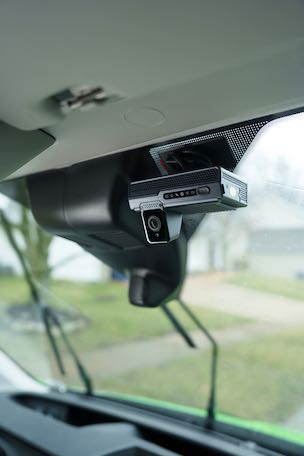
LinxCam alerts drivers to unsafe conditions and behaviors while providing real-time notifications to managers for coaching.
Linxup’s fleet tracking solution provides you with the information you need to maximize your fleet’s up-time, coach your drivers into safer habits, provide key real-time service updates to your customers, and improve fleet efficiency.
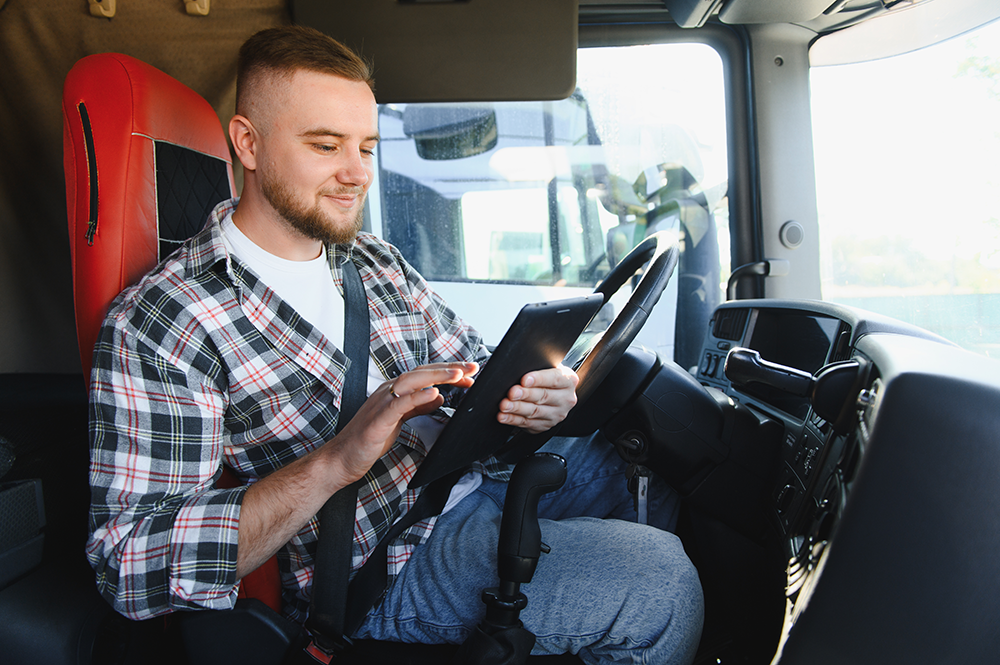
FMCSA-certified electronic logging devices that track HOS automatically.
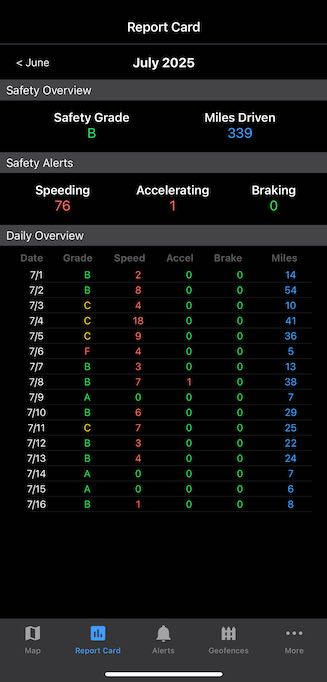
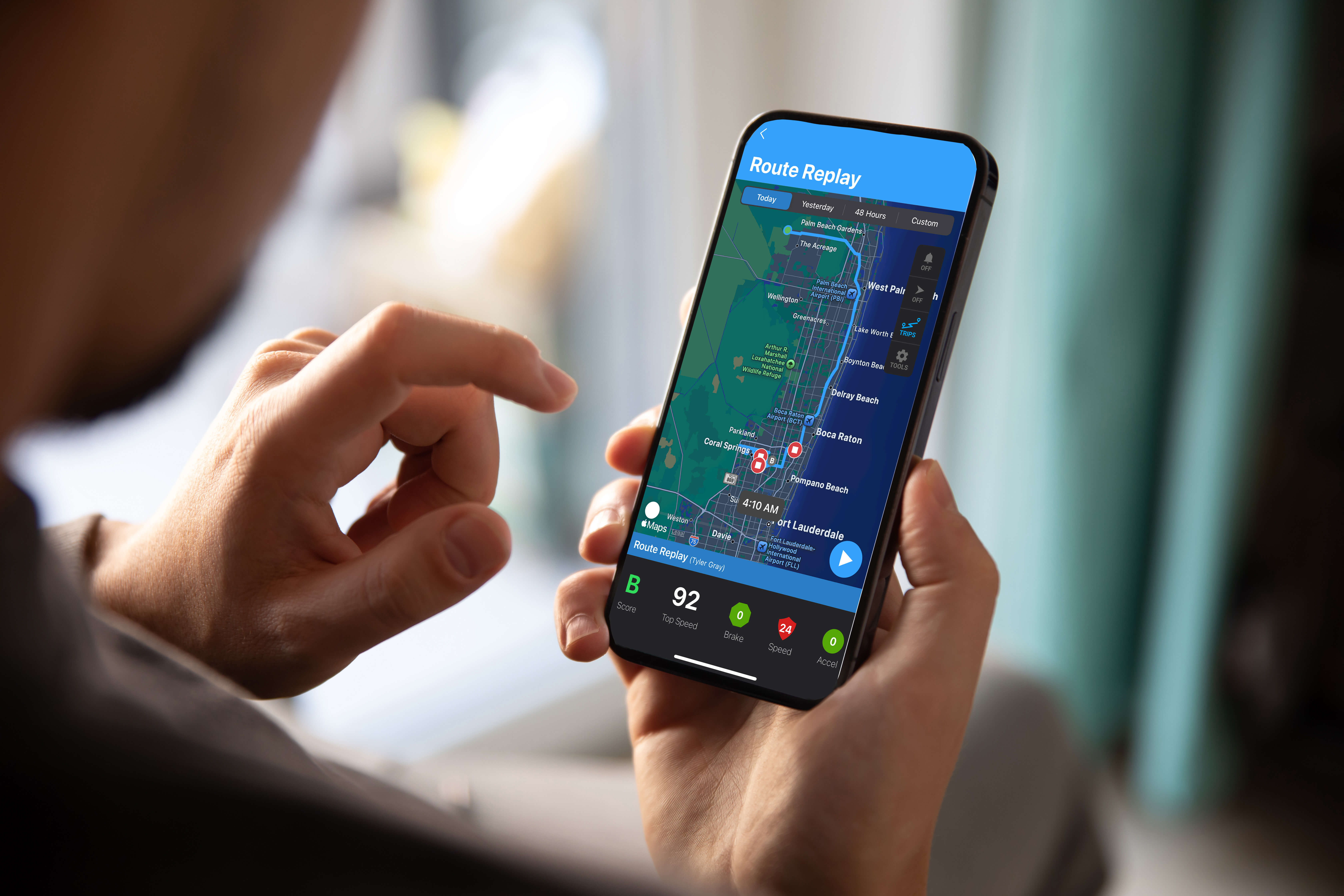
Oversee driver safety records with route replays, detailed explanations of unsafe habits, report cards, and much more.
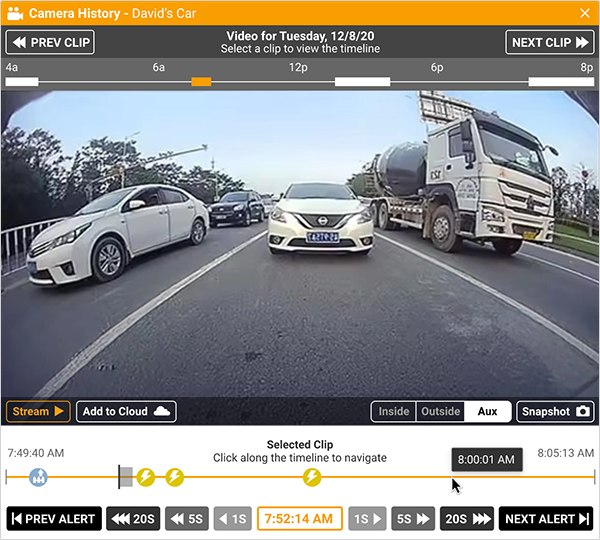
LinxCam Rear Vision adds rugged, weather-rated rear-facing cameras to the LinxCam you already use — closing the blind spot that costs fleets claims, time, and customer trust.
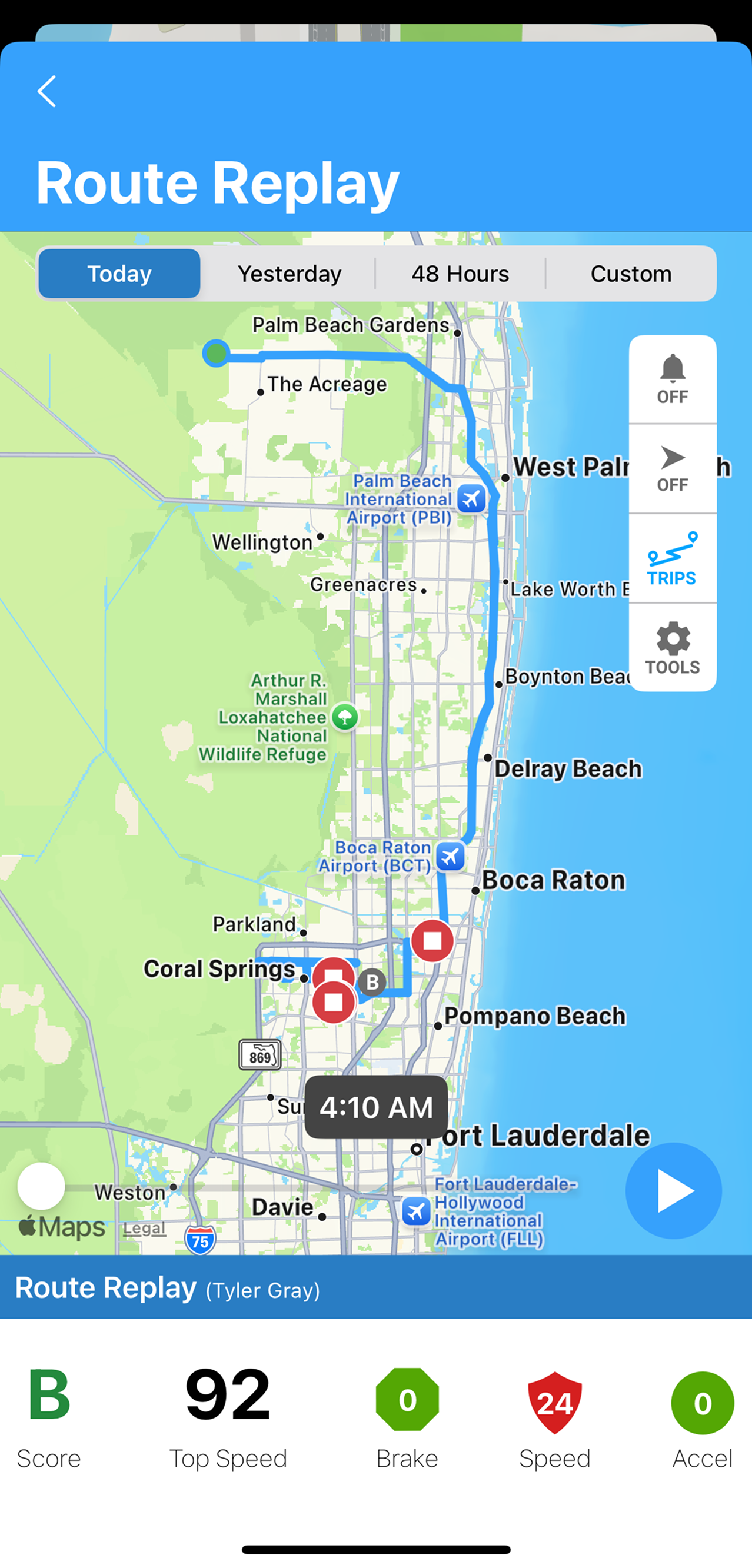
Real-time, pinpoint location accuracy on detailed maps delivered live to your desktop or via mobile app.

There's no single industry-wide number — discounts vary by carrier, program, and how consistently a fleet participates — but the trend is toward real, negotiable savings rather than a flat rebate. A 2023 survey of insurance professionals found 72% of commercial insurance companies already offer or plan to offer a telematics-based product, though 65% of commercial carriers reported some level of telematics adoption at that time, with the largest share still in early stages — meaning the size of your discount often depends on how mature your specific carrier's program is, not just on your driving data. More recently, a January 2026 Insurance Journal piece citing SambaSafety's 2025 Telematics Report noted that 60% of insurers now use telematics across their risk control teams, with a majority of the top 50 commercial auto insurers offering or subsidizing telematics as part of their risk programs. This matters for the "how much" question because it confirms the eBook's framing: telematics gives you leverage in a renewal negotiation, but the actual dollar discount is something you have to ask your specific broker and carrier about — not a number Linxup or any vendor can promise. Insurance Journal, 2023
Consent and data scope are key questions before enrolling in any insurance-linked telematics program. This is becoming a live regulatory issue, not just a best-practice suggestion: a 2026 industry piece on telematics adoption noted that lawmakers in Virginia, Maryland, New York, and North Carolina have introduced bills placing limits on how insurers can collect and use telematics data, and that transparency around data protection practices will remain a key factor in adoption going forward. The same piece cited a 2026 Elsevier-published study finding drivers enrolled in usage-based insurance programs reduced speeding, hard braking, and rapid acceleration by 11–25% — a genuinely encouraging behavior-change number IA Magazine.
As of the 2023 study, roughly a third of commercial auto insurers didn't yet have a live usage-based insurance product, and among those that did, just 27% of commercial auto respondents had internal, dedicated telematics or connected-car teams, with only about 6% having robust infrastructure to handle large volumes of telematics data. That gap is exactly why our eBook recommends asking your broker point-blank whether your specific carrier factors telematics into pricing, rather than assuming it does because you have GPS tracking installed. Insurance Journal, 2023
Yes. Some commercial auto carriers now require GPS tracking and a dash camera on all covered vehicles, often within a set window after policy activation. Linxup can get a fleet fully set up within about a week, so meeting that requirement doesn't hold up your coverage.
Yes. Your telematics data can be directly connected to commercial auto carriers that factor safety data into underwriting, so you get faster, more accurate quotes without manually pulling reports for your broker. Linxup has approved insurance partners to expedite the process.
Not by itself. A system that runs but isn't reviewed doesn't protect you. Using the data, through coaching, alerts, and documentation, is what turns it into protection.
Premiums are based on a forward-looking risk assessment, not just past claims. Underwriters gather data (application, MVRs, loss runs), benchmark your fleet against similar operations, evaluate your risk controls (safety policies, telematics, training), apply rating models, and then set terms. Documented safety programs and telematics reporting are increasingly part of that checklist.
Yes — Linxup's recent safety survey found 88% of fleet managers said dash cams helped reduce or defend against accident claims. Footage can exonerate drivers or speed up claims resolution, which is a factor in lower renewal costs.
Documented video evidence and a clean safety record can support better pricing at renewal. In Linxup's own safety survey, 88% of fleet managers said dash cameras helped reduce or defend against accident claims.
We're here to help you!
Linxup helps you meet your insurer's requirements and put your safety data to work at renewal. Use GPS tracking devices to secure your fleet and improve your driver safety, which can help you save up to 30% on your fleet insurance.