

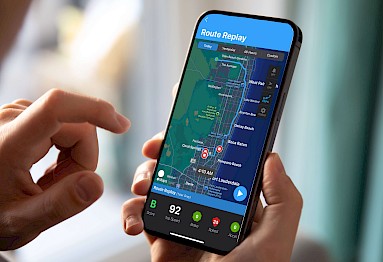

Samsara is a well-known name in fleet safety and vehicle monitoring, especially for companies running larger operations. It brings together GPS monitoring, electronic logging devices (ELDs), and video tools in one platform.
For many teams, it checks the big boxes. Still, plenty of owners start searching for Samsara alternatives once they dig into details like contracts, feature access, or Samsara ELD pricing, which can feel harder to pin down than expected since it's quote-based (although some reviewers report it can get pricey — especially for smaller fleets).
And that’s usually where the questions start. Some crews want to test a few vehicles before committing. Others need clear reports without buying higher-tier licenses, or pricing that makes sense for a 10-to-50-vehicle fleet. Check out 11 Samsara alternatives and pick one that matches your needs and expectations.
| Tool | Best for | Price | Key features |
| Samsara | Fleets wanting a full telematics suite | Quote-based | GPS tracking, ELD compliance, and video integration |
| Linxup | Small to medium-sized field-based businesses that want simple, reliable monitoring | Starts at $25/monthly service | Real-time vehicle location, driver behavior alerts, and flexible pricing |
| Verizon Connect | Established fleets that want detailed reporting | Quote-based | Driver behavior reports, compliance tools, and fleet risk profile insights |
| Geotab | Fleet maintenance-oriented users and enterprise fleets with complex needs | Quote-based | Custom dashboards, vehicle diagnostics, and broad integrations |
| Motive | Safety- and compliance-focused fleets | Quote-based | Safety alerts, inspections, and vehicle maintenance program |
| Azuga | Small fleets that want additional safety benefits through insurance partnerships | Starts at $25/vehicle/mo | Live location updates, driver behavior scoring, and simple reports |
| Lytx | Enterprise fleets centered on driver safety | Quote-based | Video safety tools, event-based alerts, and driver coaching |
| MapTrack | Cost-conscious fleets that just need the basics | Plan-based, free trial | Vehicle location, trip history, and basic alerts |
| Fleetio | Maintenance-driven operations | From $4/vehicle/mo (annual) | Maintenance schedules, inspection records, and fleet management analytics |
| ClearPathGPS | Local service fleets that want clean visibility | Tiered | Live tracking, route history, and dispatch-friendly alerts |
| T3 by EquipmentShare | Equipment-heavy fleets | Quote-based | Equipment usage tracking, idle time insights, and cost control tools |
| GPS Insight | Growing fleets that need flexibility | Quote-based | Custom alerts, driver behavior tools, and adaptable reporting |
1. Linxup

Best for: Field-based businesses that want simple, reliable IoT fleet management with clear monitoring, fast setup, and no complex contracts
Cost (hardware): Starts at $25 per monthly service

Linxup has been helping small and mid-sized fleets monitor vehicles and equipment for over 20 years. It’s built around simple, practical tools that you can actually use. Teams in plumbing, HVAC, pest control, and trucking trust Linxup because it’s easy to learn and gets to the data you need fast.
The platform gives you real-time location updates, trip history, driver behavior insights, and alerts you can tailor to your business. You can monitor idle time, mileage, and routes without digging through confusing menus.
Linxup also offers mobile apps so drivers and dispatchers can stay in sync on the go, along with driver coaching tools that help reinforce safer habits without constant oversight. The Linxup app allows fleets to send post-visit summaries and share live estimated arrival times (ETAs), for improved customer communication and satisfaction.
What really sets Linxup apart is how sensible it is for growing fleets. You get strong core capabilities without paying for every tiny feature. Support is centered on practical answers — the kind of service your crew actually needs.
| Pros | Cons |
|
|
2. Verizon Connect

Best for: Established fleets that want deep reporting and brand-backed support
Cost: Pricing varies based on products, services, and hardware. Bundled options may be available — quote required.
Verizon Connect is one of the bigger names among companies like Samsara. It offers vehicle monitoring, driver behavior insights, route history, and compliance tools in one system. The platform leans heavily into data, giving you a detailed look at how vehicles are used and how drivers behave behind the wheel.
Verizon Connect stands out in scale and structure. If you manage a fleet with formal processes and want detailed reports to shape your fleet risk profile, it offers plenty to work with. It’s often a fit for teams that already run on dashboards and scheduled reviews, and want a system that can plug into that routine.
| Pros | Cons |
|
|
3. Geotab

Best for: Fleet maintenance-oriented users and enterprise fleets with complex needs
Cost: Custom quotes based on your needs
Geotab is a well-known name among Samsara competitors, especially for fleets that like to tailor their tools. It provides vehicle monitoring, driver behavior insights, diagnostics, and compliance features through an easy-to-customize platform.
Geotab shines for its flexibility. You can customize reports, dashboards, and integrations to match how your operation actually runs. If you have someone on your team who enjoys digging into data and shaping systems around it, Geotab gives you plenty of room to do that.
| Pros | Cons |
|
|
4. Motive

Best for: Fleets focused on safety and compliance
Cost: Quote-based pricing
Motive, formerly KeepTruckin, offers vehicle monitoring, driver safety tools, and compliance features in one platform. It’s often mentioned when people look for alternatives to Samsara, especially in industries with strict regulations.
Motive stands out for its safety tools and focus on structure. Features like inspections, alerts, and a built-in vehicle maintenance program help you stay organized and catch issues early. It can be a good fit if safety and compliance are your top priorities and you want those tools tightly connected.
However, the breadth of features can be a double-edged sword. Motive can provide smaller fleets with a lot of information, but this information overload can also be overwhelming. In the end, this can actually overcomplicate processes and make it harder to find the actionable information that matters most.
| Pros | Cons |
|
|
5. Azuga

Best for: Small fleets that want additional safety benefits through insurance partnerships
Cost: Starts at $25 per vehicle per month
Azuga focuses on straightforward vehicle monitoring with an emphasis on ease of use. It covers location updates, driver behavior, and basic reporting, giving you a clear picture of what’s happening in the field.
What makes Azuga appealing is full field visibility without a steep learning curve. It’s designed for owners who want quick answers — where vehicles are, how they’re being driven, and what needs attention — without digging through complex dashboards.
| Pros | Cons |
|
|
6. Lytx

Best for: Enterprise fleets centered on driver safety
Cost: Quote-based pricing
Lytx is best known for video-based safety tools tied into broader fleet asset management. It combines vehicle monitoring with road-facing and driver-facing cameras, helping you understand what drivers actually do and monitor their driving habits.
Lytx emphasizes understanding what happened. Instead of raw alerts, you get video clips that explain risky moments and help coach drivers with real examples. For fleets focused on safety culture, training, and accountability, Lytx delivers insights that go beyond dots on a map.
| Pros | Cons |
|
|
7. MapTrack

Best for: Cost-conscious fleets that just want the basics
Cost: Plan-based options with a 30-day free trial
MapTrack keeps things simple with an app-based approach to vehicle monitoring. It focuses on vehicle location updates, trip history, and basic alerts without layering on complex systems or long learning curves. It’s designed for owners who want quick answers instead of deep analysis.
The standout here is accessibility. MapTrack offers core monitoring tools at a lower entry point, making it appealing for smaller teams or businesses just getting started. If you mainly need to know where vehicles are and how long jobs take, it does the job without fuss.
| Pros | Cons |
|
|
8. Fleetio

Best for: Maintenance-focused operations
Cost: Starts at $4 per vehicle, per month, billed annually
Fleetio takes a different approach, focusing on maintenance, inspections, and records rather than real-time vehicle location. It shines when it comes to organizing service schedules, repair history, and costs, supported by solid fleet management analytics.
What sets Fleetio apart is clarity around upkeep. You can see patterns in repairs, track downtime, and plan maintenance before small issues get expensive. Many teams pair Fleetio with a separate monitoring tool, making it a strong choice if maintenance control is your top priority.
| Pros | Cons |
|
|
9. ClearPathGPS

Best for: Local service fleets that want visibility without clutter
Cost: Tiered pricing based on features
ClearPathGPS focuses on vehicle monitoring that’s easy to understand and quick to act on. It offers live location updates, route history, driver behavior insights, and simple alerts designed for day-to-day operations.
ClearPathGPS focuses on clarity instead of clutter. The interface avoids overload and puts the most useful information front and center. For owners who want clear answers during a busy day instead of another system to babysit, it fits naturally into the workflow.
| Pros | Cons |
|
|
10. T3 by EquipmentShare

Best for: Equipment-heavy operations
Cost: Pricing varies based on factors like fleet size
T3 by EquipmentShare is built with construction, rental, and equipment-driven fleets in mind. It goes beyond vehicles to cover heavy equipment, trailers, and tools, bringing everything into one view.
The big advantage here is cost control. T3 helps teams see how often equipment is used, where it sits idle, and when maintenance is due — all of which helps rein in fleet management costs. If equipment downtime hits your bottom line harder than mileage, T3 deserves a close look.
| Pros | Cons |
|
|
11. GPS Insight

Best for: Fleets that want flexibility without complexity
Cost: Quote-based pricing
GPS Insight delivers vehicle monitoring, driver behavior tools, and reporting in a platform that balances detail with usability. It’s designed to support a range of industries without forcing everyone into the same workflow.
What stands out is adaptability. GPS Insight offers customizable alerts and reports without turning setup into a project. For teams that want control over how information is delivered — without getting buried in options — it strikes a comfortable middle ground.
| Pros | Cons |
|
|
How to choose the ideal Samsara alternative
Choosing among Samsara alternatives comes down to finding a system that fits how your crew actually works — and what you’re willing to pay for it. A quick side-by-side look can save you from surprises tied to Samsara pricing and feature limits later on.
Here’s what to keep an eye on as you compare options:
- Clear, upfront pricing: Know what’s included, what costs extra, and how contracts work before you commit. Linxup keeps pricing straightforward, so you’re not forced into higher tiers just to access basic reports.
- Flexibility for your fleet size: Make sure it works just as well for 10 vehicles as it does for 50 — and that it can scale as your business grows.
- Fleet safety tools: Look for alerts and insights that help reduce risky driving and protect your people. Linxup includes driver behavior insights and coaching tools that support safer habits without constant micromanaging.
- Support you can reach: When something feels off, real help should be easy to get. You shouldn't have to deal with a ticket maze and waste time getting the support you need.
- Everyday ease of use: Your team should understand it quickly, without training sessions or thick manuals. Linxup is designed for crews in the field, so most teams are up and running fast.
- Fleet tracking basics done right: Location history, alerts, and reports should be easy to find and act on. Linxup puts the most useful information front and center, so you can check routes, idle time, and mileage without digging through layers of menus.
Make the switch from Samsara to see the Linxup difference
Change usually starts with a simple realization: Your fleet has outgrown the tools you picked years ago. When you’re weighing Samsara alternatives, it often comes down to wanting clearer answers, fewer surprises, and technology that fits real (not ideal) workdays.
Linxup is built for that reality. It gives you practical vehicle and equipment monitoring, useful safety insights, and pricing that’s easy to understand as your fleet grows. You don’t need a long rollout or a stack of add-ons to get value. You get tools that support your crew, respect your budget, and adapt as your business changes.
Book a free demo to see how Linxup fits your operation and why so many businesses are making the switch.