


Running a fleet without proper structure is like trying to keep track of a hundred moving parts with a sticky note — it doesn’t end well. Missed maintenance, higher costs, and lost vehicles can quickly become a problem.
That’s why more businesses are turning to fleet asset management to stay organized, save money, and keep every vehicle working efficiently. Discover why companies are making the switch, the key benefits of fleet asset management, and how it can give your business a competitive edge.
What is fleet asset management?
Fleet asset management is the process of monitoring, maintaining, and optimizing every vehicle and piece of equipment in your fleet. It provides a clear, real-time view of your assets so you can make smarter decisions, cut costs, and reduce downtime.
With fleet tracking tools and fleet management systems, day-to-day operations can be smoother and easier to manage.
Here’s what fleet asset management typically covers:
- Asset tracking allows you to know the location of every vehicle at all times. Using GPS telematics, you can monitor location, usage, and performance in real time.
- Lifecycle tracking lets you manage each vehicle from purchase to retirement, ensuring replacements happen at the right time for the best total cost of ownership. This means you get the best return on investment and avoid sinking money into old, high-maintenance vehicles.
- Maintenance management keeps your fleet running smoothly with scheduled service checks that prevent breakdowns and costly repairs.
- Overhead cost analysis offers a clear view of fuel, repair, and insurance expenses so you can identify waste and control spending.
- Regulatory compliance helps your fleet meet safety, emissions, and industry rules, lowering the risk of fines and downtime.
- Reporting turns your data into insights, showing what’s working, what’s not, and where your fleet can improve.
Which industries should consider fleet asset management?
Any business that relies on vehicles or mobile equipment can benefit from fleet asset management. Here are some industries that see the biggest gains:
- Transportation and logistics: Keep delivery schedules on track and reduce downtime with real-time fleet tracking.
- Oil, gas, and mining: Manage large, remote fleets where safety, maintenance, and asset visibility are critical.
- Construction: Monitor heavy equipment, prevent misuse, and plan maintenance before breakdowns stall a project.
- Retail and e-commerce: Optimize last-mile deliveries and cut fuel and labor costs with smarter fleet management systems.
- Utilities and field services: Track service vehicles, route technicians efficiently, keep tabs on tools and equipment, and maintain regulatory compliance.
- Waste management and sanitation: Monitor routes, reduce idling, and deliver timely service while managing vehicle wear and tear.
- Public sector and government fleets: Maintain transparency, improve budgeting, and keep public vehicles reliable.
Benefits of vehicle asset management
Whether you're looking to lower costs or improve safety, vehicle asset management provides the tools and insights to keep your fleet running smoothly. Here’s how it makes a real impact on your operations.
Reduce costs
Controlling costs starts with knowing exactly where your money goes. With vehicle asset management software, you can track every expense tied to your vehicles — fuel, repairs, insurance, and more. This provides a clear picture of your fleet management costs and the true cost of ownership, helping you catch overspending early.
Data also replaces guesswork. Automated tracking delivers accurate numbers you can trust, reducing human error. This means fewer surprises, more predictable budgets, and smarter financial decisions.
Optimize asset utilization
Underused vehicles cost money without adding value. With fleet and equipment management software, you can see which assets are in use, which are sitting idle, and where they’re most needed.
This visibility helps you get the most out of your existing vehicles before investing in new ones. Better utilization also means lower operating costs and improved productivity across your fleet.
Stay in compliance
Keeping up with inspections, renewals, and regulations is a constant challenge. Vehicle asset management simplifies compliance by automating processes like service scheduling, repair tracking, and registration renewals.
Whether it’s a routine check or a DOT inspection, automated reminders keep your vehicles inspection-ready. You stay ahead of deadlines, avoid fines, and keep your fleet fully compliant without the paperwork chaos.
Organize documentation
Loose paperwork can create big problems fast. Vehicle asset management centralizes and automates document storage for titles, insurance, service history, registration, and more.
This means your records are always up to date and easy to access. You save time, reduce errors, and remove the friction that leads to delays and extra costs. As a bonus, keeping paperwork organized helps make tax time easier and shields you from audit complications.
Prevent breakdowns
Breakdowns don’t just cause delays — they drain your budget, too. A strong maintenance strategy, powered by fleet management KPIs like vehicle downtime rate and cost per mile, helps you stay ahead of issues.
Real-time alerts and scheduled service reminders catch problems before they turn into major repairs. Combined with telematics and automated tracking, this proactive approach keeps your fleet on the road and your costs under control.
Measure driver performance
Your drivers play a key role in the efficiency of your fleet. Using driver coaching and performance tracking, you can monitor behavior like speeding, idling, or harsh braking.
But it’s not just about numbers. Pairing data with real conversations builds accountability and encourages safer, more efficient driving habits over time.
Improve safety
Nothing matters more than keeping people safe. With GPS tracking and a telematics system, you can spot risky patterns, track incidents, and respond quickly when something goes wrong.
This level of insight helps create a strong safety culture across your fleet. By identifying problems early and supporting drivers with data, you reduce accidents, lower insurance costs, and protect your team.
Must-have features in fleet asset management software
The best fleet asset management software includes features like real-time visibility, smart alerts, and detailed analytics. These features make managing your fleet easier, safer, and more cost-efficient. Let’s take a closer look.
Real-time tracking
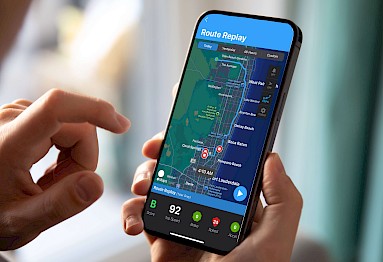
Real-time tracking allows you to view the exact location and status of every vehicle in your fleet at any moment. This is crucial for operations like deliveries or field services, where knowing your team’s location can improve response times and customer satisfaction.
Linxup’s GPS tracking tools provide instant updates, route history, and alerts, so you can keep a finger on the pulse of your fleet.

Automated maintenance alerts
Automated maintenance alerts notify you when vehicles need service or inspections, reducing the risk of unexpected breakdowns. For example, a delivery van approaching its mileage service milestone will trigger a reminder so maintenance can be scheduled proactively.
Linxup allows you to set custom alerts for oil changes, tire rotations, and other service needs, keeping vehicles reliable and downtime minimal.

Analytics dashboard
An analytics dashboard collects data from all your vehicles and equipment in one place, turning it into actionable insights. You can track trends in fuel usage, maintenance costs, and driver performance.
Linxup’s driver coaching dashboard includes a feature that lets managers monitor driving behavior, provide feedback, and improve safety and efficiency across the team.

Tool tracking
Tool tracking ensures expensive equipment and specialized tools are used efficiently and stay where they belong. In construction or field service operations, a misplaced tool can delay a job and increase costs.
Linxup’s tool tracking tags provide visibility into the location of your tools, helping keep projects on schedule and minimizing the risk of lost or misplaced items.
When choosing the right fleet asset management solution, it helps to compare key tools, features, and costs. Here’s a quick overview of some of the best options on the market:
| Best fleet asset management solutions | ||
| Tool | Top features | Cost |
| Linxup | Real-time GPS tracking, automated maintenance alerts, analytics dashboard, driver coaching, and tool tracking | Starts around $15/mo |
| Verizon Connect | Fleet tracking, route optimization, maintenance alerts, and reporting dashboards | Custom quotes |
| Geotab | GPS tracking, engine diagnostics, driver behavior monitoring, and reporting | Custom quotes |
| Samsara | Vehicle tracking, sensor integration, automated maintenance alerts, and analytics | Custom quotes |
Keep your fleet in check with Linxup
Linxup helps you manage your fleet and stay in control with real-time GPS tracking, automated maintenance alerts, and analytics that power data-driven decision-making. With easy-to-use tool tracking tags, you can even keep tabs on light equipment and tools, reducing losses and keeping projects on schedule.
From improving driver safety to cutting downtime, our all-in-one fleet management platform helps you run a more efficient, compliant, and cost-effective operation. Book a free demo today to see how Linxup can simplify your fleet management and drive your business forward.