

Adding dash cams to your fleet can come with resistance. Drivers who aren’t warned ahead of time may question the purpose, ignore alerts, or feel like you don’t trust them. Getting buy-in starts before you install the first camera and requires clear communication
But fleets that get it right see real results. According to our recent customer survey, nearly 1 in 4 have successfully used dash cam footage to dispute false claims, and 55% report fewer safety incidents after implementing GPS tracking and dash cam technology together.
So what does a successful rollout actually look like?
Be upfront about their purpose
Communication is crucial to get driver buy-in. Surprise dash cam installations and new guidelines create distrust and can make drivers nervous about their jobs.
Announce the rollout early, explain the goal to improve driving habits and lessen driver liability, and be open about how the system works.
Share real examples of how dash cams can exonerate drivers after false claims, and (when appropriate) provide some basic training on problem areas to prevent future accidents. Being upfront about what dash cams record, how the data will be used, and who has access to it will help avoid unnecessary skepticism.
Dash cams like Linxup's AI-enabled LinxCam focus on preventing accidents, not catching mistakes. The system flags genuinely risky behavior (hard braking, distracted driving, tailgating) and automatically captures footage when incidents occur — helping fleets focus on exception-based monitoring rather than trying to review every detail of the day.
Note how they’ll be used day-to-day
The perception that dash cams are just a way to catch mistakes can put drivers on the defensive. From day one, emphasize how a dash camera works directly toward the driver's personal benefit, shielding them from preventable accidents and insurance disputes.
Highlight how device data is to be used at the company-wide level to identify trends — not to isolate individual mishaps. Teams perform better when safety becomes part of the company’s identity.
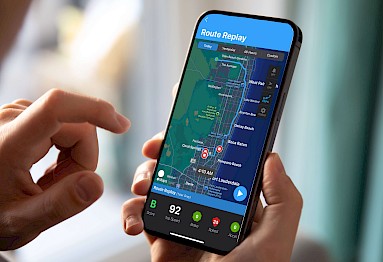
With the help of driver coaching portals, drivers can get direct access to their own footage and alerts. This shifts the dynamic from surveillance to self-improvement. When drivers can review their own incidents without waiting for management to call them in, they take ownership.
Provide a detailed walkthrough
It’s relatively easy to point out a dash cam’s features; often it’s the device’s practical usage that requires some getting used to. If drivers don’t know what the various safety alerts mean (or if the alerts fire too frequently), your new dash camera’s only effect will be to irritate drivers via a barrage of indecipherable chirps and beeps.
Customize alert thresholds by vehicle or route type, so sensitivity isn't one-size-fits-all. By tailoring settings to the reality of your fleet's driving conditions, you make alerts more credible, and drivers are more likely to act on them.
Ask drivers for input on which alerts feel useful versus distracting. A few thoughtful tweaks can make a big difference in how well drivers embrace the technology.
Listen to drivers when it’s time for adjustments
Adjust the sensitivity of the device’s safety features so alerts focus on meaningful risks — and trust your drivers to know what those risks are (e.g., lowering the sensitivity on lane departure for highway driving or reducing the threshold for harsh braking in busy city routes).
By tailoring alert settings to the reality of your fleet’s driving conditions, you make alerts more credible — and drivers are more likely to act on them. Ask drivers for input on which alerts feel useful versus distracting; a few thoughtful tweaks can make a big difference in how well drivers embrace the technology.
Keep the feedback loop open
The adjustment process should never be one-sided. Do the alerts feel helpful or overwhelming? Is the coaching constructive? Are there technical issues making the system harder to use?
By encouraging drivers to give honest feedback about their experience, you gain valuable insight into how the rollout is going and show drivers that their take on the cameras’ practical usage matters. When drivers see that management listens and acts on their input, they become partners in the process instead of passive recipients.
Build trust first, technology second
Helping drivers adjust to dash cams takes clear communication, thoughtful training, and ongoing support. When done right, dash cams become a driver’s ally — reducing risk, protecting reputations, and ultimately making every trip safer.
Ready to reduce risk, protect your drivers, and strengthen your safety program? Request a demo to see Linxup's AI-enabled dash cameras or talk to your account manager about upgrading your existing GPS tracking system.