

Quick Breakdown
- Nearly half of fleet managers say dispatchers drive daily success, but fleet managers are the ones connecting the dots between safety data, coaching, and protecting the business from costly accidents.
- 62% of fleets prefer catching problems in the moment rather than waiting for end-of-day reviews, because a quick conversation today can prevent a claim tomorrow.
- 51% of fleets couldn't survive a serious lawsuit, yet a third still don't have a formal safety program.
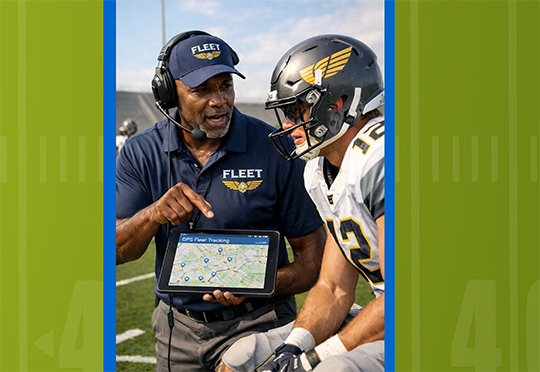
Whether you’re rooting for the team from the West Coast or the East Coast, it’s important to recognize that success doesn’t happen by chance. The Big Game is a reminder that building a winning team takes preparation, smart adjustments, and constant evaluation of what's working and what needs to change. The teams taking the field on Sunday didn't get there on talent alone. They got there through coaching, accountability, and insights drawn from every play.
The same applies to field service fleets. The businesses that grow consistently don't stumble into success. They prepare, adjust in real time, and trust every role to do its job well.
To understand what separates the strongest fleets from the rest, Linxup surveyed 225 customers in January 2026. Just like teams studying film ahead of the Big Game, we wanted to see how real fleets prepare, adjust, and coach throughout their own season.
What we found connects directly to a bigger picture we've been watching unfold. Last year, Linxup surveyed 251 fleet managers about the state of fleet safety. The findings were surprising: 90% said workplace safety was extremely important, yet one-third still didn't have a formal safety program in place. Meanwhile, 51% admitted their business couldn't financially survive a serious driver-related lawsuit.
That gap between intention and action costs businesses. The top risks those fleet managers identified (vehicle maintenance, driver behavior, accidents, insurance costs, and lawsuits) are precisely the areas that proactive safety programs address. So why the disconnect?
Part of it comes down to understanding who's actually driving success and what they need to do their jobs well.
Who really drives fleet success?
Behind every successful team is a strong leader making dozens of critical decisions each day. So we asked our customers: "Who is your fleet MVP?"
Nearly half pointed to the same role:
- Dispatchers – 48%
- Fleet managers – 25%
- Drivers/technicians – 16%
- Safety managers – 11%

Dispatchers ranked as MVPs because they're making hundreds of routing decisions, customer commitments, and resource adjustments every single day. When they can see real-time visibility into where trucks are, how drivers are performing, and what's actually happening on the road, those decisions become strategic instead of reactive.
What's most interesting in the survey results is the gap around safety managers. Only 11% of respondents identified them as MVPs. That likely means safety managers either aren't in place at many small to medium-sized fleets, or they're not getting the recognition they deserve. In the absence of a dedicated safety role, this responsibility typically falls to the business owner, who's already juggling growth, finances, and customer relationships.
That's where fleet managers and operations managers come in. They're often balancing operations, safety, maintenance, service delivery, and budget management. While dispatchers keep the daily schedule moving, fleet managers are looking at the bigger picture. They're the ones tracking patterns over time, identifying which drivers need coaching, catching maintenance issues before they become breakdowns, and building the case for safety improvements that protect the business from lawsuits and rising insurance costs.
Smart fleet managers use telematics data to turn gut feelings into facts. They can see speeding patterns, hard braking trends, and phone use instead of making assumptions. They schedule preventive maintenance based on vehicle usage instead of reacting to breakdowns. And they show documented proof of safety improvements instead of scrambling during insurance renewal.
Dispatchers, meanwhile, become a valuable resource for improving overall efficiency. Their daily insight into customers, schedules, driver skills, and capacity makes them essential contributors when fleet managers are evaluating routing, workload balance, or identifying patterns that affect service delivery.
For a fleet team, the full lineup includes several key positions:
- Fleet managers and operations managers call the strategy. They track long-term patterns, identify coaching opportunities, manage maintenance schedules, and document safety improvements that protect the business, improve fleet efficiency, and lower insurance costs.
- Dispatchers keep operations moving efficiently. With daily insight into customers, schedules, driver skills, and capacity, they're essential for making smart routing decisions and workload adjustments on the fly.
- Drivers deliver in the field. They focus on excellent, timely customer service while following the safety standards the fleet manager has established.
- Telematics tools act as the film room. GPS tracking, video, and AI-powered data give fleet managers the insights they need to make decisions based on facts, not assumptions.
- Maintenance keeps vehicles game-ready. Digital vehicle inspection reports (DVIRs), odometer-based alerts, and service tracking help fleet managers catch worn brakes, low tires, or overdue oil changes before they turn into roadside breakdowns.
Every person has an important role to play, on the road and behind the desk. But for small to medium-sized fleets, the fleet manager or operations manager is often the one connecting all these pieces.
The fleet stat that matters most
We asked service fleets to choose the metric that matters most to their business, and safety dominated:
- Safety (best safety score) – 44%
- Efficiency (less wear/lower fuel costs) – 29%
- Speed (fast service times) – 22%
- Job completion rate – 5%

Fleet leaders clearly see safety as a business strategy, not just a compliance checkbox. They understand that one at-fault accident with a serious injury can change everything. Failing to address hidden liabilities can wipe out months of profit and threaten the survival of the business.
Yet there's still a troubling gap between belief and behavior. Even with 44% ranking safety as their top metric, our 2025 research found that one-third of fleets still lack a formal safety program. And 73% of fleet managers said their drivers overestimate how safely they're actually driving compared to what telematics data shows.
Here's the part that should get every business owner's attention: 51% of fleet managers said their business couldn't financially survive a serious driver-related lawsuit.
Think about that. Half of the fleet managers we surveyed in 2025 said they were one bad accident away from financial disaster, yet many still weren't taking the steps that would protect them. The risks they identified (vehicle maintenance, driver behavior, accidents, insurance costs, lawsuits) are exactly the areas where proactive safety programs make a measurable difference.
Insurance carriers are watching too. They're increasingly requiring telematics, offering discounts for fleets with documented safety programs, and raising rates (or dropping coverage entirely) for businesses that can't prove they're managing risk. Waiting until renewal time to scramble for proof isn't a strategy. It's a gamble.
Halftime adjustments beat Monday morning film
When a driver makes a mistake, do fleet managers prefer addressing it in the moment or waiting for a review later?
- Real-time alerts (halftime adjustment) – 62%
- Post-game coaching – 38%

The best fleet managers don't wait until Monday to review what went wrong. They address issues before a close call becomes a claim. A few hard-braking alerts today might warrant a five-minute conversation. Ignore them, and you could be dealing with a rear-end collision next week. These aren't just safety risks. They're bets against your reputation and your business's survival.
Video and telematics change outcomes for fleet managers. They end the "he said, she said" disputes, speed up claims processing, and often lead to insurance discounts. The real opportunity is turning data into routine coaching. Fleet managers who build this into their regular process, rather than treating safety as a quarterly event, are the ones seeing measurable improvements.
Not every team runs the same offense
One thing the survey made clear: coaching looks different depending on the industry. HVAC and plumbing fleets were most likely to prefer real-time alerts (78%), while construction fleets leaned toward post-game coaching (56%).
The reasons behind the construction preference aren't entirely clear. It could be related to job complexity, less predictable routes, different risk tolerance, or simply how those businesses have always operated. What's your take? If you're in construction, does post-shift coaching make more sense for your operation, or is there an opportunity to catch problems sooner?
The metrics also vary from fleet to fleet. Some businesses prioritize strong safety scores and fewer risky events. Others focus on getting more work done with less fuel and wear. Winning fleets don't copy another team's playbook. They build one that fits the way they actually operate.
Playing the long game
Fleet management is a long season with no bye weeks. Trucks break down, schedules change, and drivers face new risks every day. The teams that stay on top aren't perfect, but they are prepared. Fleet managers who regularly review performance, make adjustments quickly, and coach consistently are the ones who catch problems early instead of reacting after something expensive happens.
Too many businesses are still playing defense after the whistle. That means spending time filing claims, fixing trucks, and hoping the same problem doesn't happen again. The best fleet managers flip that script. They use GPS tracking and AI-powered dash cams to see what's really happening on the road, customize alerts based on their priorities, and turn those moments into quick, documented coaching conversations. That shift from reactive to proactive is what keeps small mistakes from becoming season-ending losses.
When safety becomes a daily habit instead of a quarterly meeting, improvement becomes something fleet managers can actually measure and show to insurers when renewal time rolls around.
Three plays to start with
If your fleet doesn't have a formal safety program yet, or if you're looking to make what you have more effective, start here:
1. Pick one behavior and measure it objectively.
Our 2025 research found that 73% of drivers overestimate how safely they're driving. Feelings won't fix that problem. Choose one measurable behavior (speeding, hard braking, or phone use) and track it with telematics for two weeks. Share the data with drivers so they can see the gap between perception and reality. Consistency beats complexity.
2. Turn real-time alerts into real conversations.
Since 62% of fleet managers prefer addressing issues in the moment, don't save everything for a monthly meeting. When you get an alert about a hard brake or a speeding event, have a quick, fact-based conversation with the driver while it's still fresh. Document what was discussed and what's expected going forward. This creates a paper trail that proves you're coaching actively, which matters when insurance carriers or lawyers come asking.
3. Protect your business from the lawsuit you can't afford.
Our 2025 research revealed that 51% of fleets couldn't survive a serious driver-related lawsuit. That makes documented coaching non-negotiable. Every conversation about safety, every corrective action, every improvement should be recorded. If a driver causes a serious accident, your best defense is proof that you took reasonable steps to prevent it. Telematics data, video evidence, and a clear record of coaching can mean the difference between a defensible case and a catastrophic judgment.
The bottom line
Fleet safety isn't about adding more tools or making operations more complicated. The fleet managers who win are the ones who use what they already have with intention and commit to steady, proactive habits all season long. That means having a clear safety policy, using automated monitoring to surface real exceptions, and documenting driver coaching that turns data into action.
If you're among the 51% who couldn't weather a serious lawsuit, or part of the one-third without a formal safety program, the time to change that is now. Not after an accident. Not when your insurance renews. Now.
Ready to run a better offense?
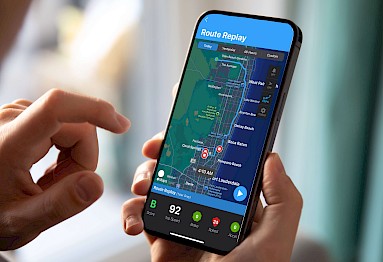
Linxup gives fleet managers a simple way to turn GPS data, dash cam video, and safety scores into coaching moments you can act on today. With clear visibility and alerts that focus on real risk, you can stay consistent, protect what you've built, and close out the season strong.