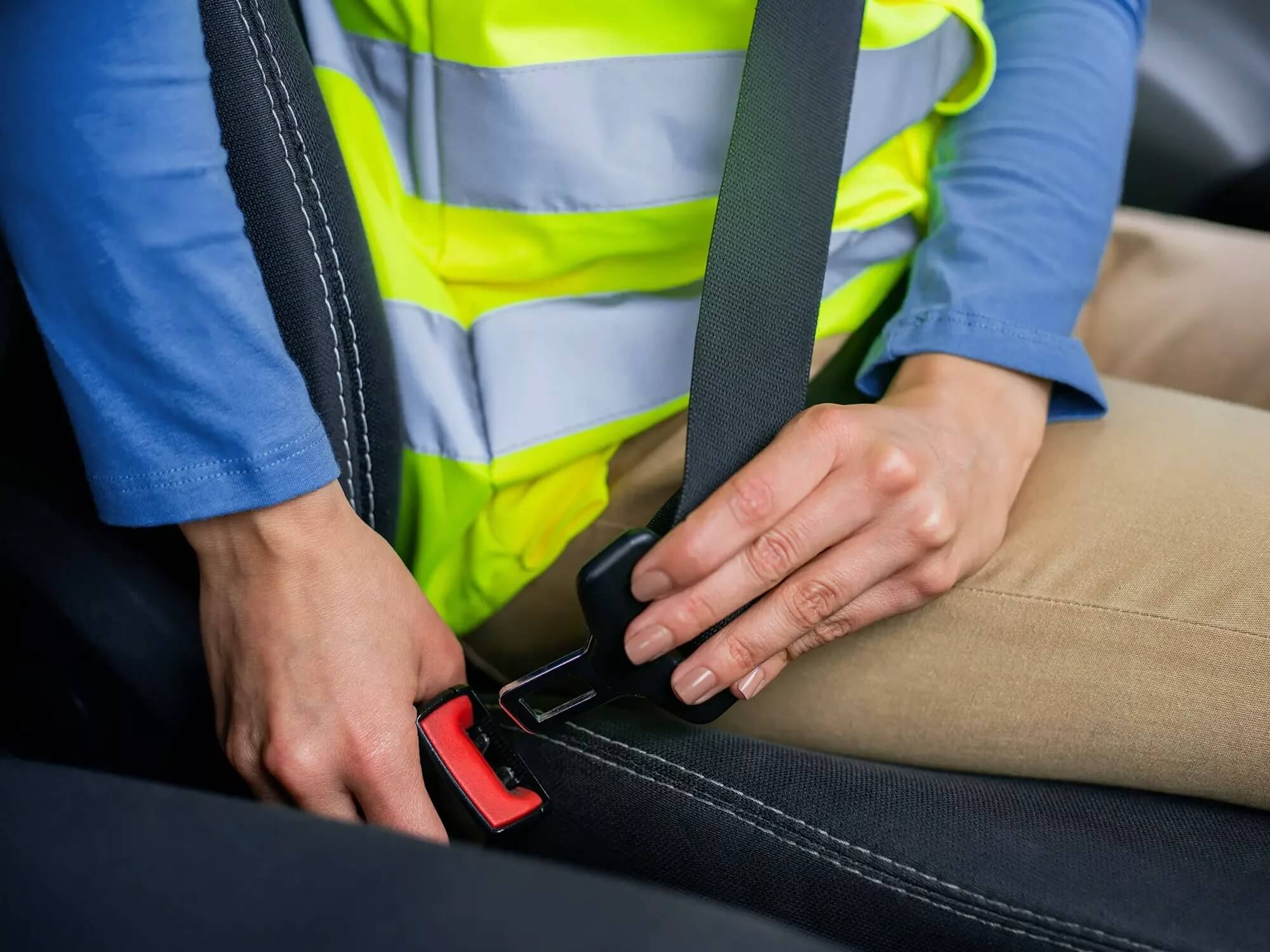



When your drivers hit the road, their safety is in your hands. And the stakes couldn’t be higher — an estimated 17,140 people lost their lives in motor vehicle crashes in the first half of 2025. One bad decision, one missed inspection, or one unclear rule can have devastating consequences.
That’s why having a clear vehicle fleet safety policy isn’t just good practice — it’s essential. It keeps everyone on the same page, helps prevent accidents, and builds a culture of accountability across your team. Learn how to create a strong fleet safety policy, what it should include, and how to use our free customizable template to fit your specific needs.
What is a fleet safety policy?
A fleet safety policy is a formal document that outlines how your business ensures the safety of its drivers, vehicles, and others on the road. It’s the foundation of your fleet vehicle safety program, setting the standards every driver and manager should follow.
A good policy helps instill a safety culture among your drivers, encouraging conversation and creating accountability. Your policy should clearly define:
- Rules and guidelines for safe driving and vehicle use, both on and off the clock
- Clear procedures and expectations including reward programs for consistent safe driving and any action steps for unsafe behavior
- Post-accident protocols that outline what to do if there’s an accident, and how to handle reporting and follow-up investigations
- A company-wide commitment to safety that gives drivers confidence their well-being matters and that their feedback is valued.
Why do you need a fleet safety policy?

A solid fleet safety policy keeps your drivers safe while also saving your business money, time, and stress. It helps to reduce crashes, injuries, and vehicle damage — no matter the size of your fleet.
Here are five key reasons to consider starting a fleet safety program:
- Build a positive culture: A culture that encourages safe behaviors, focuses on incremental improvements, and strives to coach drivers can improve retention and overall employee motivation.
- Encourage safe driver behavior: Clear rules and training help drivers make safer choices behind the wheel and do their part to protect from accidents and keep vehicles operable.
- Reduce accident costs: Fewer incidents mean less downtime, fewer repairs, and lower legal or medical expenses.
- Lower insurance costs: A strong safety record can qualify your business for better insurance rates.
- Improve fleet operations: Consistent safety standards help the company to do its part in leading fleet safety, resulting in more reliable performance and fewer unexpected disruptions.
What to include in your fleet safety policy
A well-structured policy lays out clear expectations. To provide transparency, you need to include:
- Driver qualifications and requirements: Define who is authorized to operate company vehicles and the standards they must meet.
- Safe driving guidelines: Outline rules for speed limits, seat belt use, distracted driving, and fatigue management, including what happens when those guidelines are or are not followed.
- Vehicle inspection and maintenance procedures: Provide a checklist for daily, weekly, and monthly inspections and preventive maintenance tips.
- Emergency response protocols: Discuss what to do when an accident, breakdown, or natural disaster occurs.
- Incident reporting and investigation: Establish clear steps for documenting and reviewing all safety-related incidents.
- Policy enforcement and training: Describe how you’ll communicate, monitor, and update safety expectations and follow through.
How to create a fleet safety policy
An effective fleet management policy and procedures plan requires structure and consistency. The goal is to create a clear, practical document that your drivers can easily follow. Here are steps and fleet safety tips to help you get started and stay aligned with the latest fleet safety trends:
- Communicate with and train employees: Make sure everyone understands the policy and their responsibilities via hands-on training and regular refresher sessions.
- Assess risks within your fleet: Identify common hazards, such as speeding, distracted driving, older vehicles with worn brakes, or missed pre-trip inspections.
- Draft clear safety rules: Address behaviors like seat belt use, distracted driving, DUI prevention, safe following distances, and speed control.
- Establish rewards and enforcement: An emphasis on incremental improvements and incentives helps to keep a positive culture. Encourage compliance through reward programs, while having established disciplinary steps if needed.
- Define accident reporting procedures: Provide step-by-step instructions for documenting and responding to incidents.
- Monitor with GPS tracking and telematics: Use technology to detect unsafe habits and improve accountability. Linxup’s Coaching Dashboard helps by combining data with context for effective conversations.
- Review and update annually: Keep your policy relevant as your fleet, technology, and safety standards change.
Fleet safety policy template
To put your policy into action, use our fleet safety policy template to save time and start strong. It’s fully customizable — simply download the PDF, enter your company’s details, and tailor each section to align with your fleet’s size, operations, and goals.

Build a safer, more efficient fleet with Linxup
Now that you’re ready to create your fleet safety policy, why stop there? Linxup gives you the tools to take your safety strategy even further, from real-time GPS tracking that helps monitor driver behavior to a powerful ROI calculator that shows exactly how much you can save through improved safety and efficiency.
Linxup can also help keep your drivers safe in winter conditions by showing you how to use dash cams to coach (not catch) your team, turning feedback into real improvement. Book a free demo today and discover how Linxup can help you protect your people and your bottom line.
Fleet safety policy FAQ
Here are answers to some commonly asked questions about creating a fleet safety policy to help you stay compliant, consistent, and confident as you roll out your program.
What key areas must a comprehensive fleet safety policy cover?
A strong policy should cover driver qualifications, safe driving rules, vehicle inspection schedules, emergency procedures, and post-accident reporting. It should also outline how you’ll enforce these rules — including driver training, rewards for safe behavior, and disciplinary measures — to keep everyone accountable.
How often should we review and update our fleet safety policy?
Review your policy at least once a year or whenever your operations, vehicles, or safety regulations change. Regular updates ensure your policy remains relevant, effective, and aligned with new technologies or industry standards.
What role does driver training play in enforcing the safety policy?
Driver training is essential for turning written policy into real-world habits. It helps drivers understand expectations, stay updated on safety rules, and correct risky behaviors before they lead to accidents. Continuous coaching and refresher courses keep safety top of mind every time they’re on the road.