Keeping your fleet running smoothly isn't just about vehicles moving from point A to point B — it's about moving them efficiently. For small businesses, fleet dispatching is how you keep everything moving and on schedule. It allows you to coordinate drivers, vehicles, and resources to make sure jobs get done on time and within budget. 

In a competitive market, having a strong fleet dispatching strategy means faster response times, lower fuel costs, improved driver safety, and optimized resources — all of which help you stand out against the competition. No matter the industry, the right fleet dispatch management approach can turn a manager’s daily operations from reactive to proactive. 

Find out exactly what a fleet dispatcher does, the benefits and challenges of this position, and how to improve your fleet dispatching strategy for happier drivers and customers. 

What is fleet dispatching?

Fleet dispatching is the process of coordinating, scheduling, and managing the movement of fleet vehicles and drivers. It’s about making sure the right resources are in the right place at the right time.

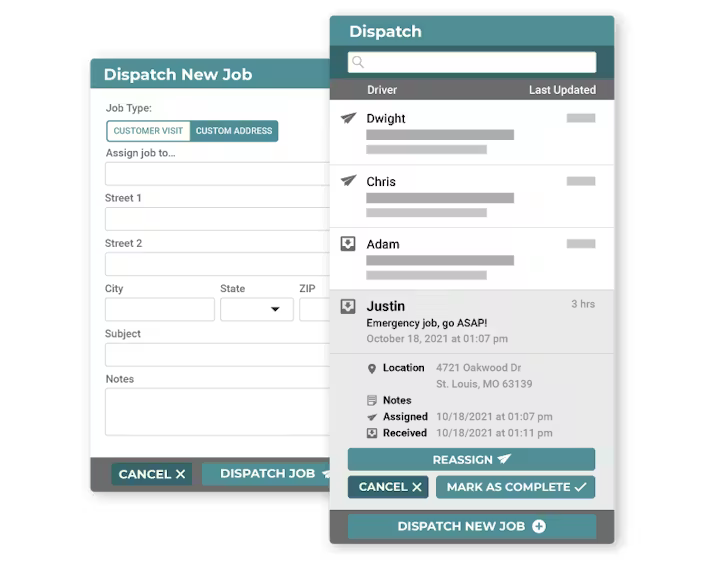
Fleet dispatchers assign jobs, routes, and schedules while monitoring locations in real time to keep drivers on schedule. This process helps businesses respond to customers faster, reduce fuel waste, and keep operations running smoothly.

What does a fleet dispatcher do?

A fleet dispatcher oversees logistics, people, and vehicle management — sometimes outside of normal business hours. On a typical day, they might review overnight vehicle diagnostics, assign the day’s routes, and adjust afternoon plans as the weather changes or customers call with urgent requests. 

Here are the core responsibilities of a fleet dispatcher: 

  • Scheduling and assigning jobs: They assign routes to drivers based on location, skill set, and availability. 
  • Real-time tracking and monitoring: Dispatchers review driver behavior and location so they can respond quickly if plans change.
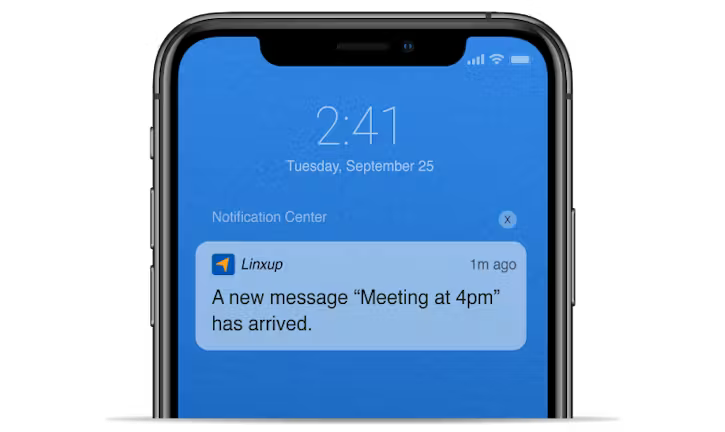
  • Communication: Dispatchers handle communication between drivers and customers so everyone is in the loop on expected arrival times and job assignments. 
  • Planning and adjusting routes: Dispatchers adjust routes and communicate changes to customers based on traffic, weather, vehicle breakdowns, and shifting priorities. 
  • Ensuring compliance: They maintain safety protocols, legal regulations, and company policies. 
  • Other operational oversight: Everything from maintaining accurate records, scheduling maintenance and repairs, and managing fuel and other expenses all falls under the responsibility of fleet dispatchers.

Benefits of effective fleet dispatching

Having a reliable and efficient dispatching system can make or break small businesses. It keeps costs down, improves customer service, and helps reduce driver frustration, freeing up resources to focus on safety and job performance. With the right tools and processes, dispatchers can provide a wide range of benefits, helping your whole operation run smoothly. 

Strategic dispatching helps your business with: 

  • Faster response times: Respond to breakdowns or urgent customer requests quickly with the help of real-time updates. so dispatchers can respond to changing conditions in minutes instead of hours. 
  • Improved customer satisfaction: Accurate arrival times, proactive communication, and reliable service keep customers happy and loyal longer.
  • Lower operating costs: Better route optimization leads to lower fuel consumption and reduced wear and tear on vehicles, lowering overall maintenance expenses.
  • Increased operational efficiency and productivity: Optimized routes and minimized deadhead mileage mean fleets can take on more jobs, leading to better resource utilization.
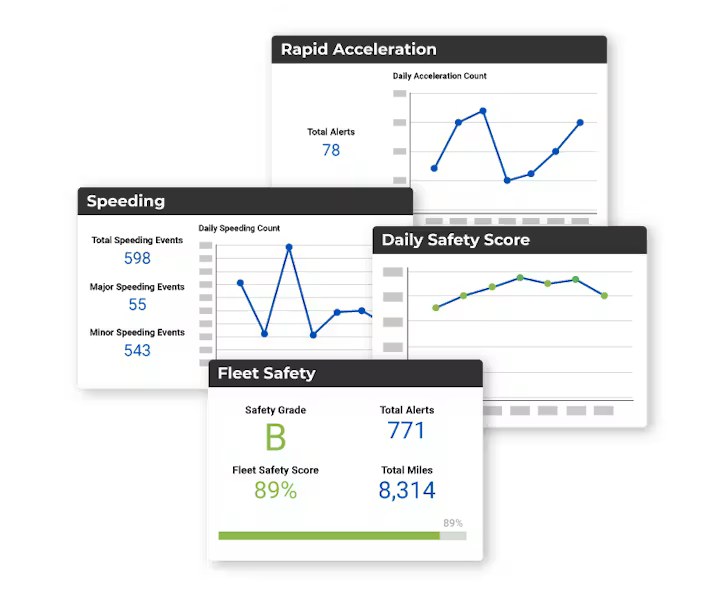
  • Improved driver accountability, safety, and compliance: Monitoring driver behavior and managing hours-of-service compliance helps reduce accidents, fatigue, and regulatory penalties while improving fleet safety.

Challenges in fleet dispatching

Every day, fleet dispatchers juggle fluctuating workloads, last-minute changes, driver availability, and other challenges. Educating yourself on these common obstacles and their solutions allows dispatchers to be proactive and act fast when a problem comes up. 

Common challenges and solutions include: 

  • Inefficient routing: Without strong route planning tools, drivers waste time and fuel on inefficient paths. Dispatch software can help by automating route optimization based on traffic patterns, job priorities, and vehicle capacity.
  • Miscommunication: When miscommunication causes late arrivals and poor interactions, customer trust can erode fast. Fix this by investing in a centralized communication platform that provides real-time updates and arrival estimations to customers. 
  • Unexpected delays: Breakdowns, traffic, bad weather, and road closures derail even the best plans. Use tools with real-time visibility data on fleet locations and conditions so dispatchers can quickly reassign jobs and update customer ETAs.
  • Driver retention: Finding and retaining qualified fleet drivers can be a challenge. Fix this by offering work-life balance benefits for drivers, like flexible scheduling. Dispatchers should be mindful to distribute jobs fairly and not overbook drivers to boost retention. 
  • Managing operational costs and budget constraints: Increasing fuel and maintenance costs often strain budget margins. Telematics systems address this by providing the data-driven insights on idle time, aggressive driving, and maintenance needs you need to manage your team and resources effectively.

The future of fleet dispatching

The world of fleet dispatching is constantly evolving. The growing adoption of electric vehicles (EVs) means fleet dispatchers have to consider other factors on top of everything else, including battery levels, range management, charging infrastructure, and optimal charging times.

Autonomous vehicles represent an even more dramatic shift as dispatchers start to oversee fleets of self-driving vehicles instead of human drivers. This means brushing up on skills like exception handling, customer communication, and strategic decision-making. This won’t happen overnight, but fleet dispatchers and managers should still prepare. 

Many fleets are also implementing eco-friendly practices, like investing in EVs and alternative fuels, to reach sustainability goals and reduce overhead. To prepare, dispatchers should learn how to optimize for different vehicle types, energy consumption patterns, and the new tools and tech that will push their fleet forward.

Fleet dispatching tools and tech

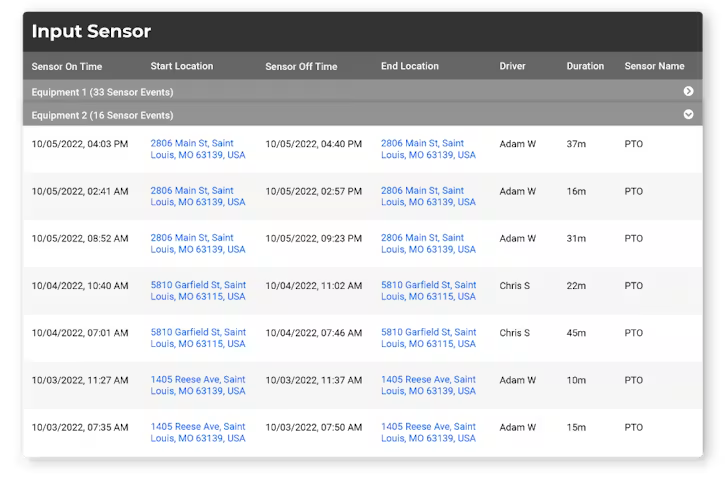
The latest fleet management software uses real-time data and intelligent monitoring to make daily operations smoother and more efficient. Dispatchers can keep vehicles on schedule, track assets, reduce fuel usage, and keep up with maintenance reminders with just one dashboard.

With the rise of AI in fleet management, dispatchers can access predictive maintenance, anticipating vehicle issues before they cause breakdowns. In fact, companies adopting AI report a 20% improvement in route optimization. These smart systems quickly match jobs to the right vehicle, and advanced AI features let dispatchers easily customize alerts for better response times. 

Linxup fleet management tools combine these technologies into a user-friendly platform made for small to medium-sized fleets. Our dashboard combines GPS fleet tracking and dispatching, real-time alerts, and intelligent insights to help dispatchers make better and faster decisions so drivers have the information they need immediately. 

Streamline fleet dispatching with Linxup

Fleet dispatching is the foundation for smooth operations and quality service that allow smaller fleets to stay competitive in fast-changing service industries. Fleet management tools make it easy to optimize routes, communicate in real-time, manage GPS monitoring, and make data-driven decisions without overcomplicating your dispatcher’s day.


Keeping your vehicles moving efficiently, on time, and under budget is possible with a smart fleet dispatching tool like Linxup vehicle tracking. Ready to transform your transportation dispatching? Request a demo to see how Linxup can streamline your fleet management today. 

Fleet dispatching FAQ

What is the fleet process?

The fleet process covers the entire lifecycle of a commercial vehicle, from acquisition to deployment to replacement. This includes vehicle selection, driver assignment, route planning, performance monitoring, and ongoing optimization to prolong vehicle lifespan. 

How much do fleet dispatchers make?

The average fleet dispatcher salary varies depending on experience, location, and company size. Fleet dispatcher jobs usually earn a salary of $46,000 on average, while fleet dispatch managers earn closer to $55,000. 

Who needs fleet dispatching the most?

Any business that has to coordinate multiple vehicles to serve customers at different locations needs fleet dispatching. Industries that see the most benefits from the best truck dispatching software include: 

How is AI being used in fleet dispatching?

AI uses historical data and real-time road and weather conditions to predict the best routes, identify vehicle maintenance needs, and make schedule adjustments. 

What role does data analytics play in modern fleet dispatching?

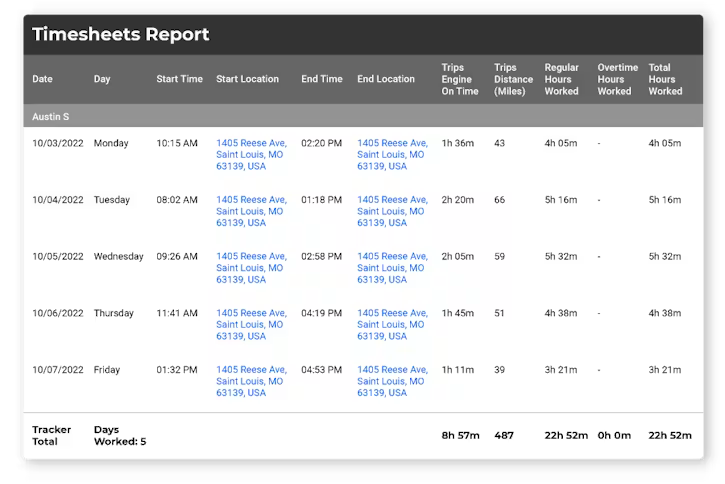
Data analytics turns raw fleet data into actionable insights on fuel consumption, route efficiency, driver behavior, and vehicle performance. Fleet dispatchers use this information to identify opportunities for improvement, like adjusting routes that take too much time and use too much fuel.

How can mobile applications streamline dispatch operations?

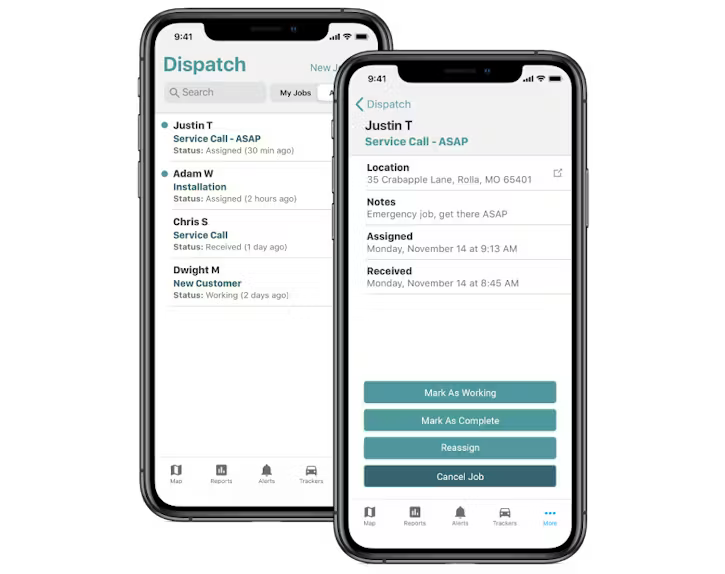
Mobile dispatching apps like Linxup’s GPS tracking app give drivers access to communication tools and real-time route updates, job details, and customer information in the palm of their hand. This two-way communication keeps everyone aligned and makes for faster problem solving.

How do I choose the right fleet dispatching system?

When evaluating fleet dispatch software, consider how well it integrates with your existing toolset, scales with your business, and costs to set up and maintain. Make a list of must-have features for your operations, like automated fleet routing and scheduling, real-time GPS tracking, and comprehensive reporting that helps improve efficiency. 

Ready to see Linxup in action?

Seeing is believing, request a free demo today.

Get a Demo