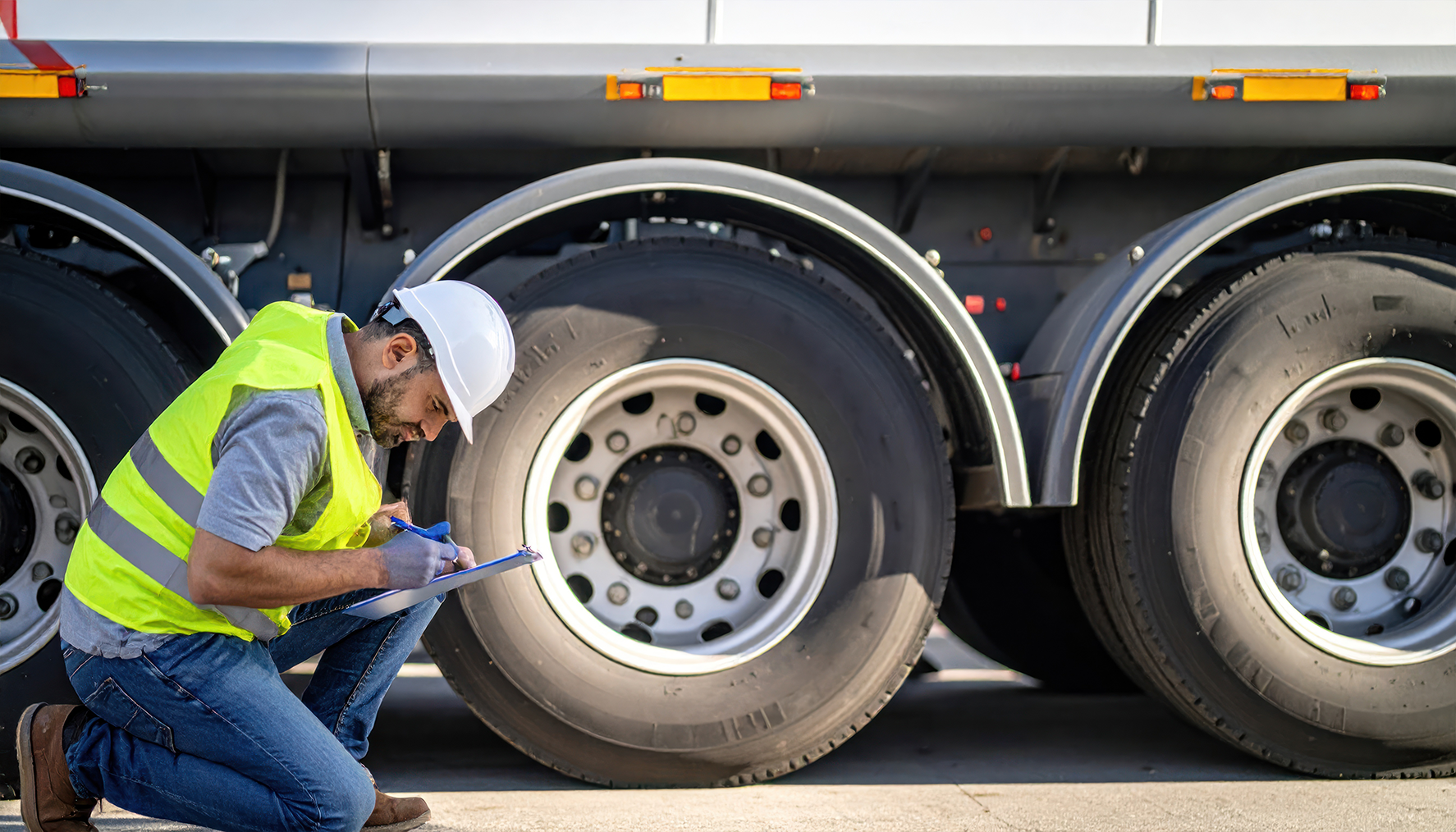

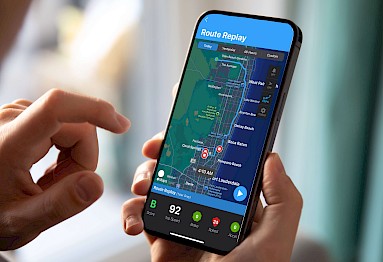

Per tradition, the CVSA plans to spot-check thousands of trucks this spring as part of the organization’s directive to keep commercial vehicles and their drivers compliant with established DOT safety standards.
This year’s 72-hour inspection blitz, termed International Roadcheck Week (or DOT Week), takes the form of widespread roadside audits starting Tuesday, May 12th, and running through Thursday, May 14th. The event — which carried out over 50,000 inspections last year across the U.S., Mexico and Canada — serves as a reminder of the benefits of year-round preventative maintenance, as well as other safety and compliance tools that can make Roadcheck week a mere blip on the map.
During last year’s Commercial Vehicle Safety Alliance (CVSA) International Roadcheck, inspectors conducted 56,178 inspections across North America.
Most fleets passed without issue. 81.6% of vehicles and 94.1% of drivers cleared inspections, while the remaining vehicles or drivers were placed out of service until violations were corrected.
One notable shift last year was how some drivers responded to the increased enforcement. Many chose to stay off the road during the inspection window, which appeared to temporarily tighten available capacity. For the trucking industry, that disruption was seen by some as an early signal of the end of the freight recession.
For fleet operators, it was another reminder that preparation matters. Staying ahead of inspections with well-maintained equipment and compliant drivers helps keep trucks moving when enforcement ramps up.
What to expect when they’re inspecting: 2026 Roadcheck focus areas
This year’s Roadcheck event places special emphasis on both drivers and vehicles.
Brakes: Brake violations are consistently the number one reason vehicles get placed out of service, accounting for roughly 25–30% of all vehicle OOS violations. Inspectors are spotlighting brakes this year, and failing can put your trucks on the side of the road, costing thousands in downtime and repairs. Tools like Linxup's maintenance tracking help you stay on top of brake inspections, service intervals, and defect reports before they become violations.
Tip: Use DVIRs and maintenance alerts to flag worn brake pads, air leaks, and ABS issues early, before they turn into roadside violations or out-of-service orders.
ELD: An FFMCSA-certifiedELD like Apollo by Linxup automatically timestamps logs and flags manual edits, which makes it easier to show inspectors a clean, untampered record. Inspectors will check for ELD tampering, falsified logs, and improper manual edits.
To prepare for the inspection, be sure your ELD hasn’t been removed from the FMCSA’s approved list due to not meeting federal requirements. ELD tampering is also a growing enforcement focus. Starting April 1, 2026, CVSA inspectors will issue automatic 10-hour out-of-service orders if tampering is expected. This will likely be under heavy scrutiny during the roadcheck blitz.
Tip: Train drivers to review their logs daily and certify them at the end of each shift to catch errors early and avoid violations during inspections. Also, be sure to have drivers review their last 8 days of logs before the window opens and verify that no unexplained manual edits exist.
Cargo Securement: For 2026, cargo securement is a highlighted focus area. Inspectors will verify that loads are properly tied down, that securement devices meet regulatory standards, and that drivers can demonstrate knowledge of securement rules.
Tip: Standardize securement practices across your fleet — use checklists for tie-down counts and require drivers to recheck loads after the first 50 miles.
Record of Duty Status (RODS): After accounting for nearly a third of last year’s driver violations, RODS are likewise under the Roadcheck spotlight this spring. Any indicators of false logs (incomplete or falsified duty status entries, ELD tampering, and manually edited logs without proper annotations, to name a few) are bound to be flagged.
Tip: Train drivers on what false log violations look like and review log accuracy daily; violations in this area can result in significant fines and impact your fleet’s safety rating.
While these are the focus points of this year’s inspections, fleets should also be prepared for a thorough audit that covers the following:
- Valid CDL and medical card
- HOS documentation
- Motor carrier registration
- Company insurance certification
- Company hazmat certification (if applicable)
- Permit book
- Charged and secured fire extinguisher
- Required emergency equipment
- Proof of annual inspection
- Shipping papers
- Placards
- Vehicle brakes & brake systems
- Lights
- Cargo securement
Preparing your fleet for Roadcheck 2026
As much as a 15- 20-minute roadside audit might seem inconvenient, it shouldn’t be a cause for panic. The 2026 International Roadcheck blitz exists only to enforce standards that should be followed year-round — and as motivation to get things in order if any documentation or maintenance practices have somehow begun to slip.
Here’s a sample schedule for keeping the essentials tidy and ready at all times for a potential inspection:
Year-round practices:
- Drivers should be conducting pre- and post-trip inspections and reporting any potential issues. That includes a proper examination of tires and braking systems. Careful monitoring of the vehicle and basic preventative maintenance will catch most potential issues you might run into with an inspector.
- Train drivers to keep a clean cab. An inspection could include a cab search, and the cleaner and more organized the cab, the faster it will go.
- Gather all essential paperwork — including licenses, certifications and proof of past inspections — and keep it organized in one place (like a binder).
- Certify logs at the end of every shift. If using an ELD, know the process behind transferring logs to a DOT officer. Also, keep blank logbooks on hand in case of an electronic issue.
Two weeks before the inspection window:
- Run a full tire inspection of your own. Check for pressure and wear, and arrange replacement tires if necessary.
- Audit driver logs and retrain drivers on compliance.
- Refresh drivers on roadside inspection procedures.
- Ensure paperwork like medical cards, CDLs, and cab cards is up-to-date.
Remember, CVSA aims to keep roads safe and shareable for commercial and personal commuters. Making preventative maintenance part of your routine and cooperating with inspectors is the best way to get safely back on the road.
Consequences of bad inspections
Poor performance during Roadcheck week impacts more than just your inspection report. It can make it more difficult to book loads, cause you to endure more DOT audits, and raise your CSA BASIC score (remember, the lower the score, the better). It can also result in higher insurance premiums or even make it difficult to find coverage at all, depending on the severity of the violation(s).
However, fleets that consistently show clean inspections, low CSA scores, and safe driving behaviors supported by telematics may qualify for insurance discounts and customized safety support through commercial insurance companies.
Linxup helps you prepare for the road ahead
Compliance isn’t just about passing a single inspection; it’s about protecting your business every day. Linxup gives you the tools to stay organized, catch safety issues before they become problems, and keep critical data at your fingertips. From GPS tracking and ELD logs to maintenance alerts, Linxup helps your fleet stay ready for Roadcheck and whatever else the road brings.
With Roadcheck week just around the corner, there's no better time to get your fleet dialed in. Book a free demo today and let Linxup do the heavy lifting.
FAQ
Can we get shut down for something small?
Yes — but don’t panic. One bad brake light can indeed get a truck sidelined by an inspection; that’s what makes pre- and post-trip self-inspections so crucial! To avoid scenarios where vehicles could be placed OOS, make a habit of self-inspecting and keeping to a strict vehicle maintenance schedule.
Do they really check every truck?
No, Roadcheck’s massive annual audit doesn’t check every truck — but it does check an average of about 15 trucks per minute over a 3-day span, which is enough to warrant being prepared no matter the odds.
Can my guy be fined more than once during this week?
Yes, though it’s worth noting that different fines are associated with different violations. A driver or vehicle with major violations may be subject to further auditing until the issue is remedied.
CVSA does issue decals to vehicles that pass certain levels of inspection without any issues, which, when displayed,d generally keep a vehicle free from re-inspection (though it’s still within an inspector’s rights to do so).
What's the difference between an ELD violation and a logbook violation?
An ELD violation is tied to the device itself — either it’s not working properly, not installed correctly, or not being used as required.
A logbook violation is about the driver’s hours-of-service (HOS) record, whether it’s recorded on an ELD or paper.
Does cargo securement apply to my type of truck?
In most cases, yes. Cargo securement rules apply to any vehicle hauling equipment, materials, or loads — not just large over-the-road trucks.
This includes:
- Flatbeds
- Work trucks carrying tools or materials
- Trailers hauling equipment
- Landscaping, construction, and service vehicles
If anything in or on your vehicle could shift, fall, or move during transit, it needs to be properly secured.
What happens if my ELD malfunctions during Roadcheck week?
If your ELD malfunctions, you’re still expected to stay compliant.
Here’s what that looks like:
- Switch to paper logs immediately to track hours of service
- Document the malfunction (most ELDs have a way to note this)
- Work to resolve the issue within 8 days (standard requirement)
If you can clearly show you’re tracking hours and addressing the issue, inspectors are typically focused on whether you’re staying compliant—not just the device itself.
Will passing Roadcheck affect my CSA score?
Yes, it can help over time.
A clean inspection (no violations) doesn’t immediately “boost” your score, but it adds positive inspection data to your record.