Home Services Industry Trends for…
Quick BreakdownDemand for home services in 2026 is steady -- driven by aging housing stock, homeowners staying…

Quick Breakdown
|
If you’re managing a fleet, you know how it feels when your crew gets into an accident. Just last year, the FMCSA recorded over 170,000 crashes, and some might’ve been people you know. While most aren’t fatal, some people see these crashes as a way to get money out of your business.
If you manage a crew of HVAC techs or plumbers, your vehicles are out in traffic all day.
While accidents happen, so do false claims. A fleet safety camera helps protect your business.
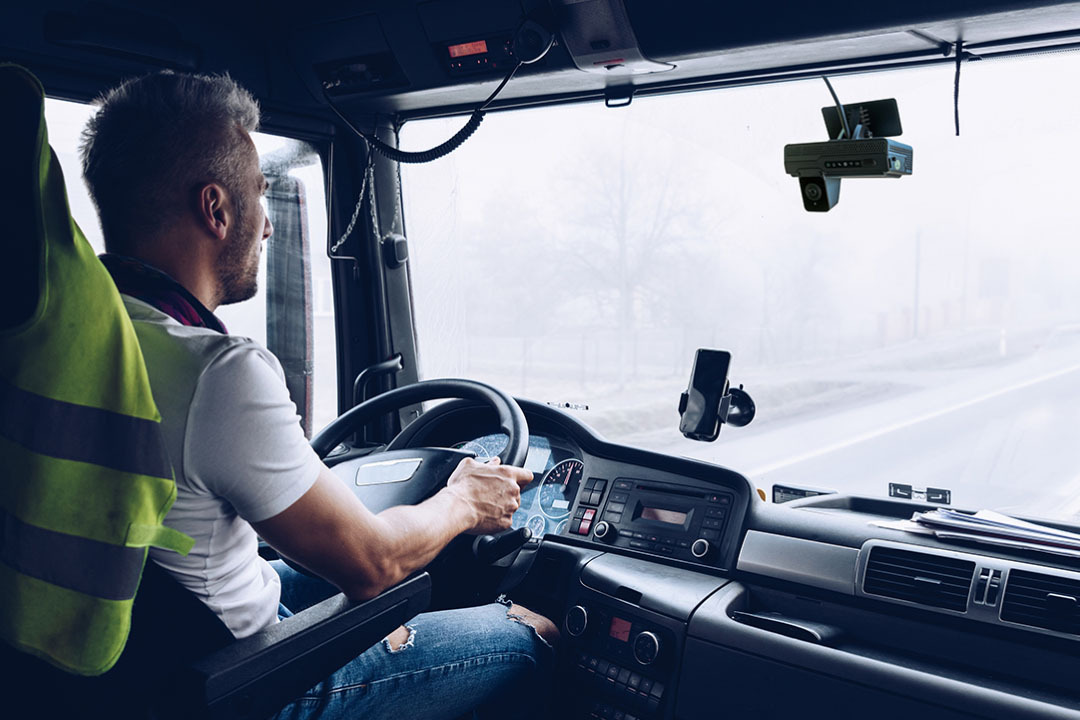
Fleet safety cameras mount on your commercial vehicles, so you’ve got a record of what’s happening on the road. A lot of them face the cab and the road with one device, keeping you posted if your drivers aren’t wearing their seatbelts, speeding, or tailgating someone.
You’ve heard of dash cams. A fleet safety camera is essentially that, but for your commercial fleet. They often work with your telematics software to track mileage and idling to keep your fleet efficient. Some even use AI alerts so you know right when your drivers are being unsafe.
Alerts should include:
You get the most out of these AI-powered cameras when they work with your fleet management software. That way, you can coach drivers on what they should be doing before those behaviors turn into accidents.
| Fleet tracking dash camera | Non-commercial dash camera |
|---|---|
| Tracks GPS, speed, and engine data | Doesn’t track telematics data. |
| Auto-uploads to the cloud or stores via SD card | Only stores via SD card |
| AI alerts for unsafe driving | Basic recording |
| Provides court-admissible event logs | Video only |
| Tamper-proof and high-heat rated | Easily unplugged and damaged |
Fleet safety cameras are built for fleet managers who want to keep their fleet safe without feeling like a micromanager. They’re a great fit if you’re trying to focus on growing your business, whether that be HVAC, plumbing, lawn care, pest control, or local delivery.
But the fleet-tracking systems behind them may be overkill, as some are built for massive logistics teams. If you’re not one of those, look for simple tools that work on your phone and desktop. That way, you can get the info you need without paying for features you don’t want.
Fleet safety cameras either hook into your vehicle’s engine or OBD-II port, often sticking to your windshield.
Stick with option one if you’re looking for a simple installation. But option two may be better if you’re also looking for an electronic logging device (ELD).
These types also vary by their features:

Fleet safety cameras are anywhere from $80 to $400. More expensive ones are more likely to have multi-camera support or AI notifications, but you can often save money by signing up for tracking services.
Big names like Geotab aren’t upfront about their pricing. Here are a few that are more transparent, broken down by camera:
| No Contract | One-Year Contract | Two-Year Contract | Three-Year Contract | |
|---|---|---|---|---|
| LinxCam AI Dash Cam | $399 | N/A | $199 | $99 |
| Lana OcuCam | $255-$350 | $255-$350 | N/A | N/A |
| Vantrue | $260-$380 | N/A | N/A | N/A |
| Falcon Electronics | $375-$1110 | N/A | N/A | N/A |
If you’ve found a cheaper camera, it might be a regular old dash cam. Keep in mind that commercial cameras work with fleet safety systems. If they don’t, they won’t do much to help protect your crew from risky behaviors.
Fleet safety cameras help you and your business stay informed. That’s less time spent on managing and more time spent on growth.
It’s tough to prove your driver wasn’t at fault without a camera. Without one, you could end up with a huge bill and one less good driver. Video proof makes it clear who was at fault, saving your driver’s career and keeping you out of court.
Do fleet safety cams have GPS? Some do. GPS-enabled dash cameras help you find your drivers if they’re stuck in an emergency or aren’t at the right job sites. These features create a culture of accountability, so you don’t have to question your drivers. |
Tickets can drive up insurance costs and damage your business’s reputation. But video evidence could help get it dismissed, making your driver and bank account a bit happier.
Getting ahead of bad driving behavior helps you stop an accident before it happens. But drivers may not want to believe they did anything wrong. A fleet safety cam will clearly show them the behavior, transforming an argument into a coaching opportunity.
Customers don’t always think you did the work if it wasn’t obvious. If you work in pest control or HVAC, you know this firsthand. Fleet safety cameras can record when your driver gets out, adding a timestamp in your telematics software for that extra proof.
Stolen vehicles are never fun, especially when you rely on them to run your business. But fleet safety cameras send alerts when your vehicle turns on, snapping candid photos of the thief in action. If they come with GPS trackers, you can even find out where they’re going.
With Linxup, you can also track trailers, containers, and equipment using GPS asset trackers. If something goes missing, open your phone and show it to a police officer so you can get your gear back fast.
Fleet insurance premiums saw an increase of 12% in the first half of 2024, which isn’t great when running a business. Thankfully, fleet safety camera systems with tracking software can help, providing them with evidence that you care about safety.
If you run a small business, focus on features that protect your drivers from claims and spot problems before they happen.
While not a camera feature, try to pick a company with U.S.-based, human support. If you’re stuck in an AI phone tree and get to someone who doesn’t understand you, you’ll be even more frustrated than you were when you got on.
Fleet safety cameras are arguably the most important part of keeping your business safe. Beyond saving you from fake claims, video evidence helps prevent distracted or unsafe driving before it becomes an accident. It can even save you a bit of money.
Linxup’s fleet dash cams can give you that peace of mind without any of the unnecessary bells and whistles that come with enterprise software.
Install your camera with a suction cup and OBD port, then call our U.S.-based customer service line to help you connect the camera and get on the road within minutes, not hours. When on the road, you’ll automatically receive driving alerts so you can start coaching your drivers and get one step closer to building a culture of safety.
Try a free demo to see how Linxup can protect your business and crew.
Yes. Fleet dash cams can help reduce insurance costs if the provider offers a discount. Otherwise, you’ll have to play the long game by coaching your driver so they can maintain their good record.
Many come with infrared or low-light capabilities so you can see in the dark. Check out the product description page to find out.
Fleet safety cams use on-board SD cards or can transfer videos to the cloud in real time. Ideally, you’ll find one that will do both so you can automatically create backups.
Fleet safety cams are built for businesses and work with video telematics software to help you track driver behavior. In contrast, dashcams record and store video on an SD card, just like a fleet safety cam, but minus the business features.
Nobody will fine you for not having a fleet safety camera, but professional truckers can really benefit from having one. Beyond the extra information that helps you coach them, the driver will thank you if it saves their career after an accident.
Fleet safety dash cameras look for tailgating, speeding, phone use, and other unsafe behaviors on the road and in the cab.
If you’ve got a camera with cloud sync, it goes to your management system’s cloud storage platform. Otherwise, you can find it on your camera’s SD card.
When using cloud storage, open your fleet management software or app to access the footage. With an SD card, plug it into a laptop, phone, or tablet with a matching slot.
Video footage can be paired with GPS tracking if you’ve got a fleet management tool that supports it. Otherwise, you’ll have to download the GPS data and video footage to do it manually.