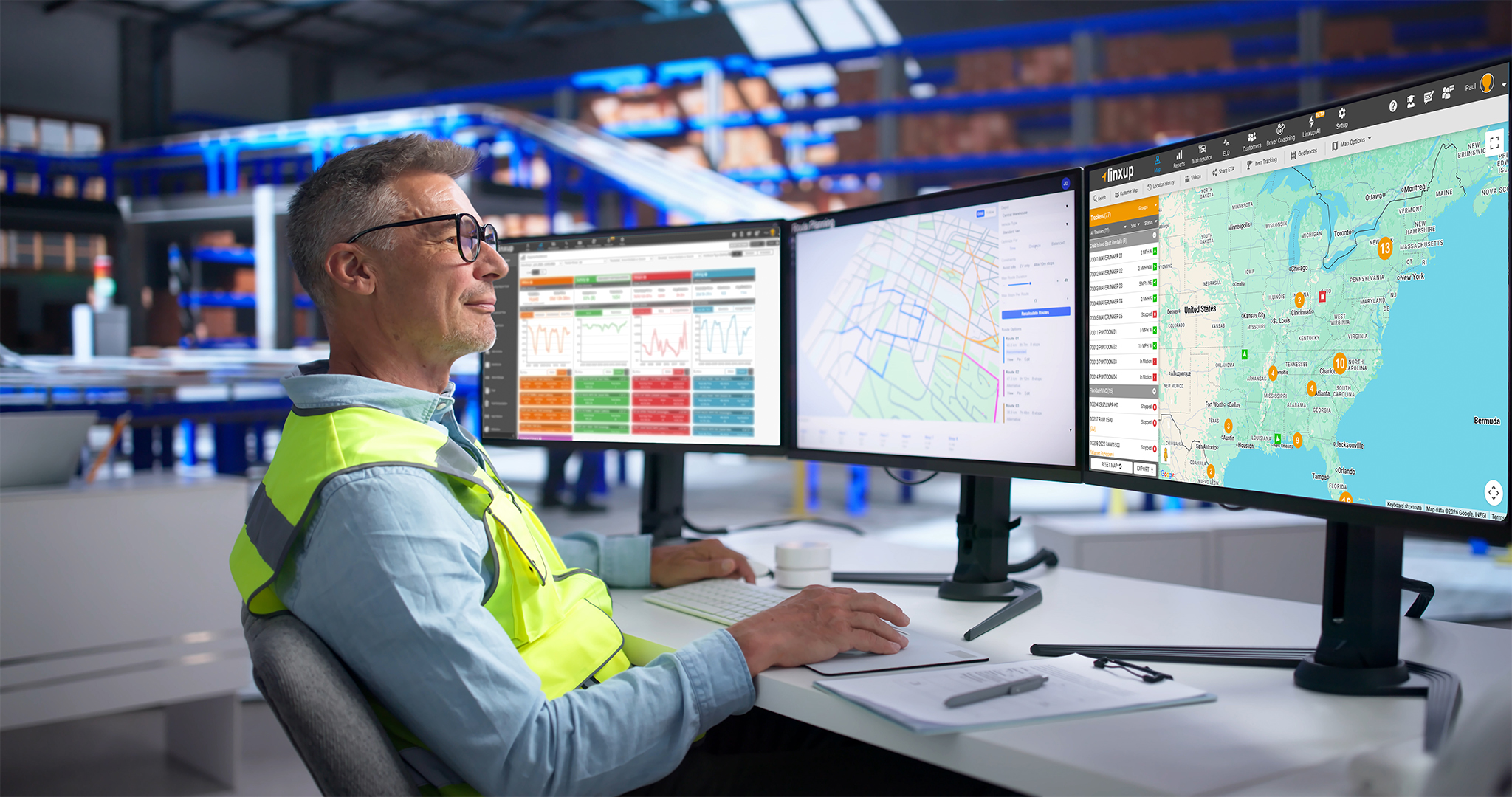

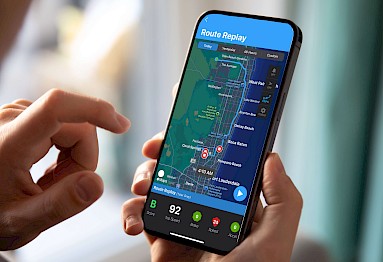

Samsara is one of the biggest names in fleet tracking. With a focus on safety and vehicle monitoring, it brings GPS monitoring, AI dash cams, electronic logging devices (ELDs), and video tools in one platform built to handle large, complex fleet operations.
In July 2026, Samsara rebranded to position itself as an AI platform for physical operations, moving well beyond its roots as a telematics provider.
But that scale comes with tradeoffs. Fleet managers who dig into the details often run into rigid multi-year contracts, quote-based pricing that's difficult to pin down until you're deep in a sales process (and can climb fast once you're locked in), features you won’t use, installations that require a team, downtime you can’t afford, and no human answering support questions.
That’s usually where the search for alternatives starts. Some teams want transparent pricing that doesn’t require a sales call. Others want a system that installs itself instead of requiring a scheduled appointment, or support they can reach without a ticket queue. Here are 11 Samsara alternatives to help you find the right fit.
| Tool | Best for | Price | Key features |
| Samsara | Fleets willing to navigate enterprise pricing and complexity for a full telematics suite | Quote-based | GPS tracking, ELD compliance, dash cams, and equipment tracking |
| Linxup | Fleets that want unified, reliable monitoring with easy installation | Starts at $25/monthly service | Real-time vehicle location, driver behavior alerts, and flexible pricing |
| Verizon Connect |
Established fleets that want detailed reporting and that are willing to commit to long-term contracts |
Quote-based |
Driver behavior reports, compliance tools, and fleet risk profile insights |
| Geotab |
Teams with the internal resources to manage a DIY-style, open platform |
Quote-based |
Custom dashboards, vehicle diagnostics, and broad integrations |
| Motive |
Safety- and compliance-focused fleets |
Quote-based |
Safety alerts, inspections, and vehicle maintenance program |
| Azuga |
Fleets that only need basic monitoring through insurance partnerships |
Starts at $25/vehicle/mo |
Live location updates, driver behavior scoring, and simple reports |
| Lytx |
Enterprise fleets that can justify higher costs for safety tools |
Quote-based |
Video safety tools, event-based alerts, and driver coaching |
| MapTrack |
Fleets that just need the basics |
Plan-based, free trial |
Vehicle location, trip history, and basic alerts |
| GPS Insight | Growing fleets that need flexibility | Quote-based | Custom alerts, driver behavior tools, and adaptable reporting |
1. Linxup
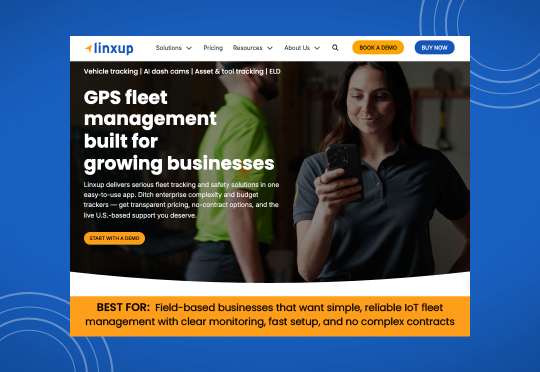

Linxup is built for service businesses that need to track their drivers, tools, and business operations without learning a complicated system. You can view everyone from one dashboard on your desktop or phone no matter how many vehicles you have in your fleet.
The platform delivers real-time location updates, trip history, driver behavior insights, and alerts you can tailor to your business. You can monitor idle time, mileage, and routes without digging through the layers of menus that come with heavier platforms. Installation is plug-and-play — no professional install crew, no multi-week rollout.
AI dash cams flag phone use, tailgating, speeding, and harsh braking, and send a short video clip with each alert. Clips are stored for a year. Safety scores and coaching sessions let you review a driver’s alerts, add notes, and email them a summary, then track whether things improve. Driver leaderboards and an integration with Applause let you recognize and reward your safest drivers, and rear cameras are available when you need to see what’s behind the truck.
Linxup's mobile apps keep drivers and dispatchers in sync, and built-in driver coaching tools that help reinforce safer habits without constant oversight. The Linxup app lets you share live estimated arrival times (ETAs) and post-visit summaries with photos , for improved customer communication.
What sets Linxup apart is its absence of friction. Plans start at $25 per device per month, with contract and no-contract options and discounts for larger fleets. For improved maintenance tracking, Linxup customers can integrate with Fleetio. Linxup has fast setup, and live, US-based support whether you're running 10 vehicles or 500.
|
Pros |
Cons |
|
|
2. Verizon Connect
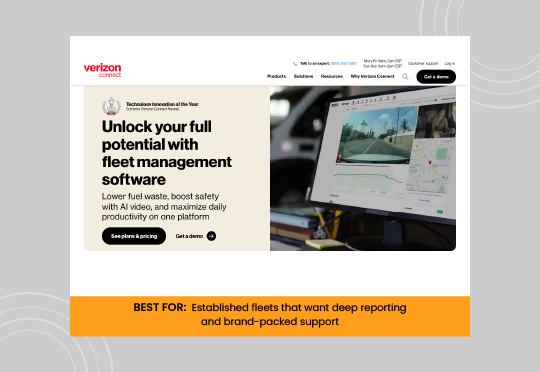
Verizon Connect is one of the largest fleet tracking providers. It offers vehicle monitoring, driver behavior insights, route history, and compliance tools in one system. The platform leans heavily into data and detailed reporting.
That depth comes at a cost. Verizon Connect is known for multi-year contracts with auto-renewal clauses that are easy to miss, pricing structures that require a sales conversation just to estimate, and support that's frequently outsourced and slow to resolve issues. Fleets that want the detailed reporting to help shape a fleet risk profile should also expect setup and onboarding to take longer than they anticipate going in.
|
Pros |
Cons |
|
|
3. Geotab
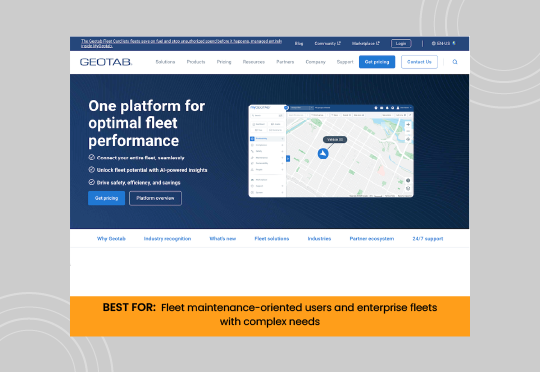
Geotab is a well-known name among Samsara alternatives, particularly for fleets that want to build their own telematics stack from an open hardware platform. It offers vehicle monitoring, driver behavior insights, diagnostics, and broad third-party integrations.
That flexibility is also the catch: Geotab requires real technical investment to configure properly. Without a dedicated administrator on staff, the platform's openness turns into an implementation project rather than a working tracking system, and costs vary unpredictably depending on which reseller you work with.
|
Pros |
Cons |
|
|
4. Motive
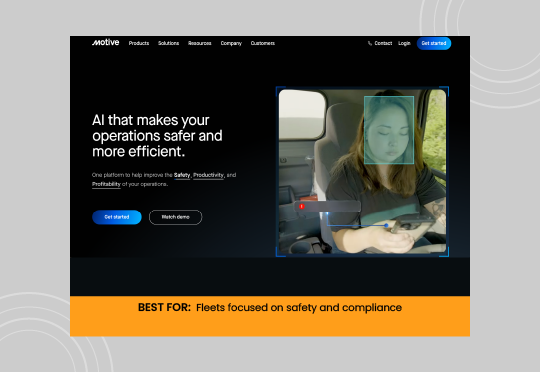
Motive, formerly KeepTruckin, offers vehicle monitoring, driver safety tools, and compliance features. It's frequently mentioned as a Samsara alternative, especially in tightly regulated industries.
Its AI dash cams are a major strength, detecting more than 20 safety events to help reduce collisions and risk. But its interface is built more for compliance officers than for drivers and dispatchers in the field. Pricing climbs quickly as advanced safety add-ons are layered in, and contract terms get more complex at higher tiers — overhead that can work against the safety goals the platform is supposed to serve.
|
Pros |
Cons |
|
|
5. Azuga
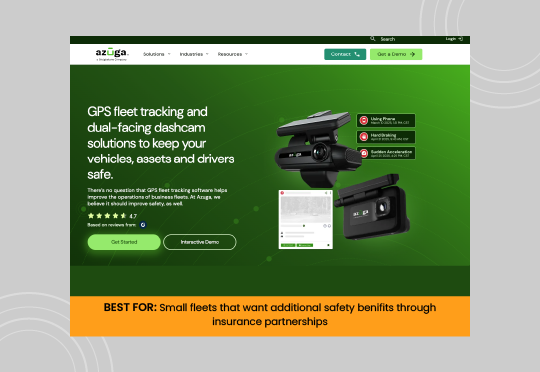
Azuga offers GPS tracking, AI dash cams, and driver scoring with rewards that encourage safer driving.It's built for owners who want quick answers without a complex dashboard.
What makes Azuga appealing is full field visibility without a steep learning curve — but that's also where the tradeoff shows up. Reporting and customization stay limited, and fleets that grow past a handful of vehicles tend to outgrow what the platform can offer.
|
Pros |
Cons |
|
|
6. Lytx
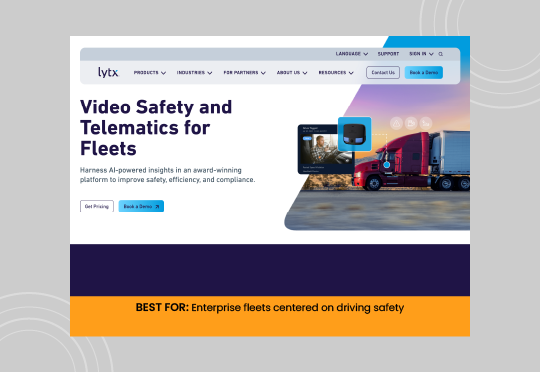
Lytx is best known for video-based safety tools tied into broader fleet asset management. It is built around video-based safety tools — road-facing and driver-facing cameras paired with event-based alerts and coaching clips.
It does one thing well, but that narrow focus comes at a price. Video features drive up overall cost significantly, and the platform offers little for day-to-day dispatch or asset tracking needs — most fleets would need to pair it with a separate system for general fleet management.
|
Pros |
Cons |
|
|
7. MapTrack
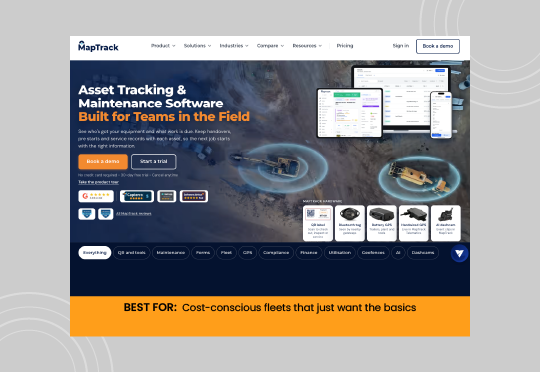
MapTrack keeps things simple with an app-based approach to vehicle monitoring. It focuses on vehicle location updates, trip history, and basic alerts without layering on complex systems or long learning curves. It’s designed for owners who want quick answers instead of deep analysis.
The tradeoff for the low entry point is a thin feature set. Reporting is basic, advanced features are largely absent, and fleets that need more than the essentials will find themselves looking elsewhere fairly quickly.
|
Pros |
Cons |
|
|
11. GPS Insight
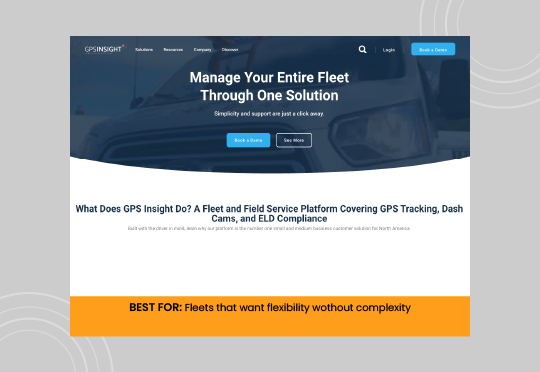
GPS Insight delivers vehicle monitoring, driver behavior tools, and customizable reporting across a range of industries.
The flexibility comes with friction: installation frequently requires professional scheduling rather than a self-install kit, pricing stays opaque until you're deep in a sales cycle, and support response times lag behind what fast-moving fleets need. The interface also hasn't kept pace with more modern platforms.
|
Pros |
Cons |
|
|
How to choose the ideal Samsara alternative
Choosing among Samsara alternatives comes down to finding a system that fits how your crew actually works — and what you’re willing to pay for it. A quick side-by-side look can save you from surprises tied to Samsara pricing and feature limits later on.
Here’s what to keep an eye on as you compare options:
- Clear, upfront pricing: Know what’s included, what costs extra, and how contracts work before you commit. Linxup keeps pricing straightforward, so you’re not forced into higher tiers just to access basic reports.
- Flexibility for your fleet size: Make sure it works just as well for 10 vehicles as it does for 50 — and that it can scale as your business grows.
- Fleet safety tools: Look for alerts and insights that help reduce risky driving and protect your people. Linxup includes driver behavior insights and coaching tools that support safer habits without constant micromanaging.
- Support you can reach: When something feels off, real help should be easy to get. You shouldn't have to deal with a ticket maze and waste time getting the support you need.
- Everyday ease of use: Your team should understand it quickly, without training sessions or thick manuals. Linxup is designed for crews in the field, so most teams are up and running fast.
- Fleet tracking basics done right: Location history, alerts, and reports should be easy to find and act on. Linxup puts the most useful information front and center, so you can check routes, idle time, and mileage without digging through layers of menus.
Make the switch from Samsara to see the Linxup difference
Change usually starts with a simple realization: Your fleet has outgrown the tools you picked years ago. When you’re weighing Samsara alternatives, it often comes down to wanting clearer answers, fewer surprises, and technology that fits real (not ideal) workdays.
Linxup is built for that reality. It gives you practical vehicle and equipment monitoring, useful safety insights, and pricing that’s easy to understand as your fleet grows. You don’t need a long rollout or a stack of add-ons to get value. You get tools that support your crew, respect your budget, and adapt as your business changes.
Book a free demo to see how Linxup fits your operation and why so many businesses are making the switch.
FAQ
What is the best Samsara alternative for small fleets?
For small-to-mid-sized service fleets, Linxup is the simplest alternative. Plug-in trackers install in minutes, plans start at $25 per device per month with contract and no-contract options, and you get AI dash cams, driver coaching, and equipment tracking in one dashboard with live, US-based support.
Why do fleets switch from Samsara?
The most common reasons are rigid multi-year contracts, quote-based pricing that’s hard to estimate without a sales process, installations that require scheduling a team, and support that runs through a ticket queue. Many smaller fleets also find they’re paying for enterprise features they don’t use.
How much does Samsara cost?
Samsara doesn’t publish its pricing. Costs are quote-based and depend on your hardware, fleet size, and features selected, so you’ll need to go through a sales conversation to get a number.
Can I install a fleet tracking system myself?
Yes, with some providers. Linxup’s plug-in trackers are designed for DIY installation in minutes, with no professional install crew or scheduled appointment. Other platforms, including some enterprise options, typically require professional installation.
What should I look for in a Samsara alternative?
Focus on transparent pricing, flexible contract terms, ease of use for your crew, reachable support, and safety tools like AI dash cams and driver coaching. Make sure the platform fits your fleet size today and can scale as you grow.